
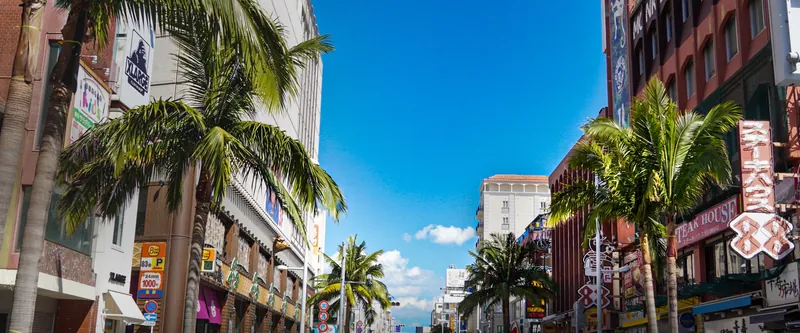
Naha→
Station: NahaNaha, Kokusai-dori, Shurijo Castle, Naminoue Shrine
High
30.6℃
Low
25.8℃
- Precip.
- 275.2mm
- Sunshine
- 181h
- Sunset
- 18:35
Highs around 31°C. Around Jugoya (the harvest moon), moon-viewing events are held in many places
In September, Okinawa's midsummer-like heat carries on. Naha's high is 30.6°C, with mornings around 26°C. The water is warm, and you can enjoy the sea just as in summer. On the other hand, typhoons are common and there's more rain than in summer. Once the summer holidays end, tourist numbers fall and prices start to drop, so if you keep an eye on typhoon information, it's a good time to go.
Temperature, precipitation and sunshine are climate normals (1991-2020). Sunset is for September 15.
Naha, Kokusai-dori, Shurijo Castle, Naminoue Shrine
Highs around 31°C. Around Jugoya (the harvest moon), moon-viewing events are held in many places
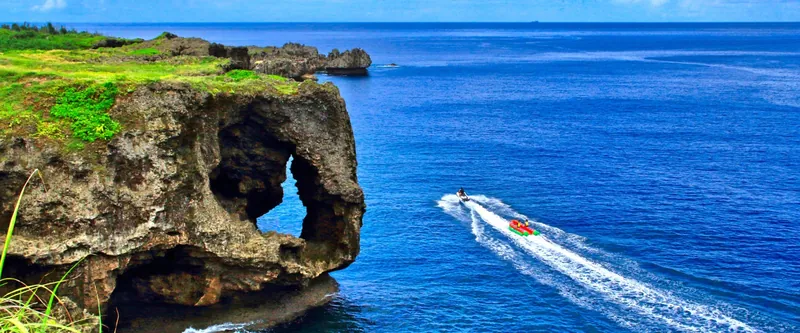
Onna, Cape Manzamo, Blue Cave, Chatan
The water is still at summer temperatures. Watch for swimming bans before and after typhoons
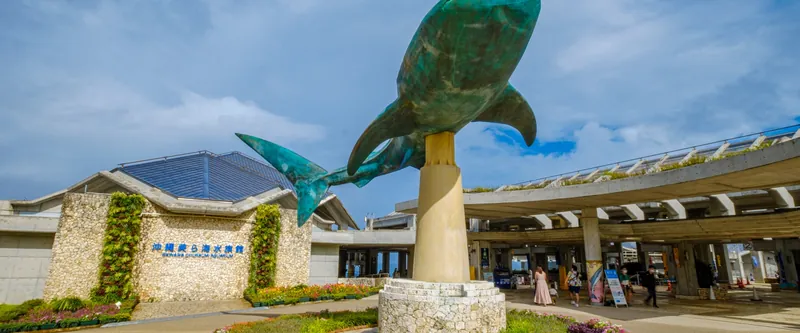
Churaumi Aquarium, Kouri Island, Sesoko Island, Nago
Highs around 31°C. Churaumi Aquarium calms down after the summer holidays
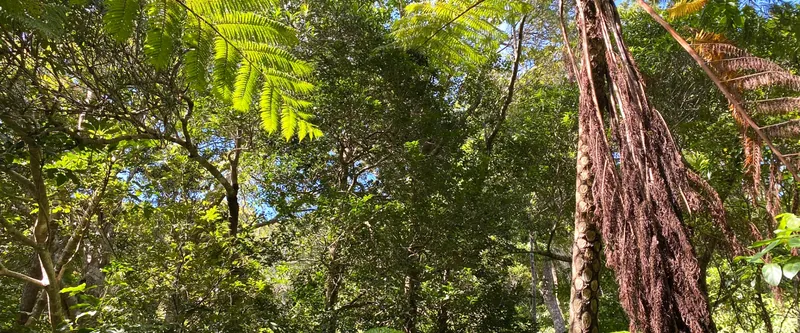
Kunigami, Cape Hedo, Daisekirinzan, Hiji Falls
Highs around 29°C. Watch for swollen rivers and streams in the forest after typhoons
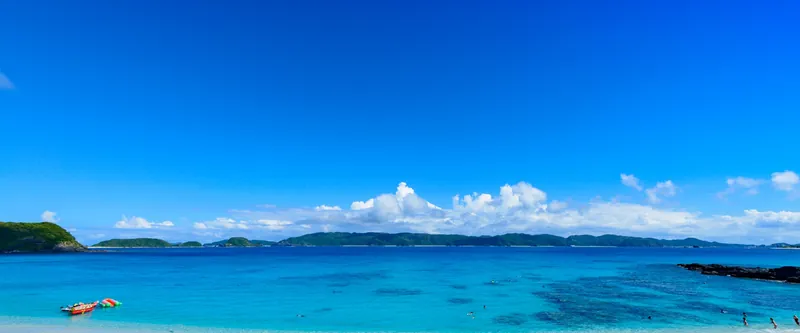
Tokashiki Island, Zamami Island, Aka Island
The water is very clear. Ferries may stop on typhoon days
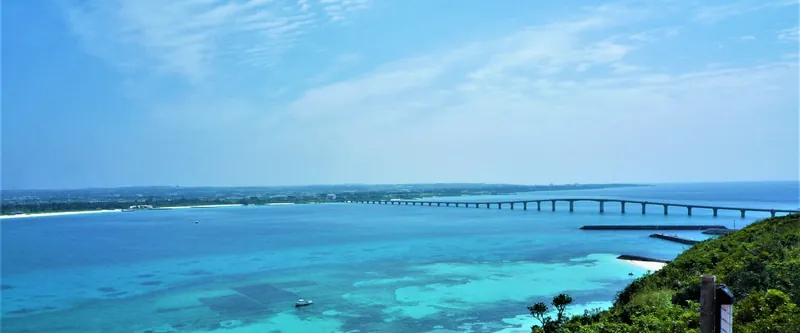
Yonaha Maehama Beach, Irabu Bridge, Cape Higashi-Hennazaki
Highs around 30°C. A rainy month; watch for typhoons too

Kabira Bay, Ishigaki Port, Cape Tamatorizaki
Highs around 31°C. Enjoy the sea just as in summer
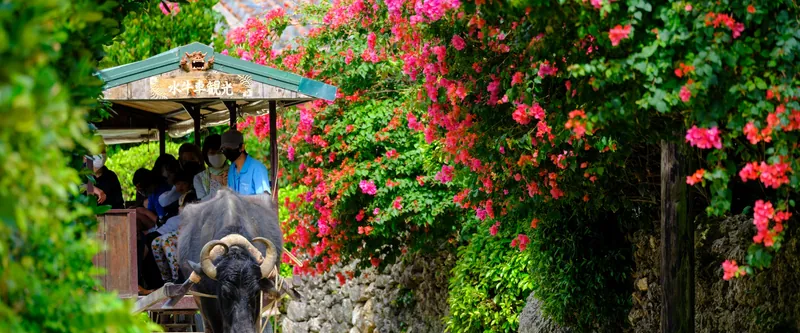
Iriomote, Taketomi, Yubu Island, Urauchi River
A rainy month. Go canoeing and waterfall hiking in sunny spells
Even though it's autumn in mainland Japan, midsummer clothes are fine for Okinawa in September. You still need sun protection too.
September sees a lot of typhoons. Flights and ferries to the outlying islands may be suspended, so leave some slack in your plans.
In September, flight and accommodation prices start to drop, and beaches are less crowded than during the summer holidays.
Over the mid-to-late September holidays (Respect for the Aged Day and Autumnal Equinox Day), tourist spots and accommodation can get crowded.
Depending on the year, Kyu-Bon can fall in September. During that period you can see Eisa, but local shops may close.
A traditional Okinawan performing art held during Obon on the lunar calendar. In some years you can see it in early September.
On the night of the harvest moon, tug-of-war contests and traditional performing arts may be held around the islands.
The water stays warm while crowds thin out, so you can enjoy the sea at a relaxed pace.
One of Okinawa's largest eisa festivals, held over three days on the weekend after the lunar Obon in Okinawa City, known as the "City of Eisa." Day 1 features the Michijune (street parade) around the Goya intersection, Day 2 is the Okinawa City Youth Festival, and the final day is the main Zento Eisa Matsuri, where youth groups from across the prefecture gather at Koza Sports Park Athletic Stadium.
Read the guide:Okinawa Zento Eisa Matsuri → PRKlookAirport Limousine Bus Ticket (Naha Airport ⇔ Hotels on Okinawa Island)Shared limousine bus connecting Naha Airport with hotels in the Ginowan/Chatan, Onna Village, and Nago areasView on KlookPRKlookRyukyu Mura Admission TicketTheme park in Onna Village where you can see eisa and other traditional Okinawan performing arts shows even outside the festival periodView on Klook
Dates change every year. Please check the official websites before you go.
In Naha, the average high is 30.6°C and the low is 25.8°C. You can wear the same clothes as in summer.
The water is warm and you can swim just as in summer. Before and after typhoons, waves can be high and swimming may be banned, so follow the beach notices.
Along with August, it's a time when typhoons are common. Check typhoon tracks before and during your trip.
Source: Japan Meteorological Agency (climate normals 1991-2020). Compiled by tripuuu.log. Temperatures are from a representative station in each area; actual weather varies from year to year.