Kyoto City→
Station: KyotoKyoto, Arashiyama, Gion, Fushimi Inari
High
33.7℃
Low
24.7℃
- Precip.
- 153.8mm
- Sunshine
- 183h
- Sunset
- 18:47
One of the hottest areas. Gozan no Okuribi on the 16th
August is the hottest month of the year in Kansai. Kyoto's high is 33.7°C, as is Osaka's, and days over 35°C are not unusual. Nights only drop to around 25°C, so you need to be on guard against heatstroke. On the 16th, the Gozan no Okuribi bonfires mark the end of Kyoto's summer. During Obon, transport gets crowded, and typhoons sometimes approach.
Temperature, precipitation, snow and sunshine are climate normals (1991-2020). Sunset is for August 15.
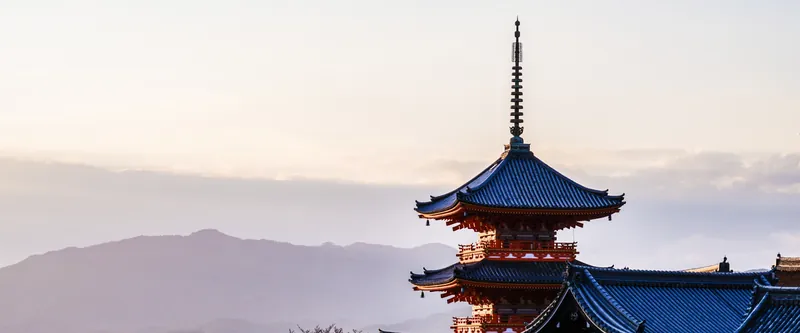
Kyoto, Arashiyama, Gion, Fushimi Inari
One of the hottest areas. Gozan no Okuribi on the 16th
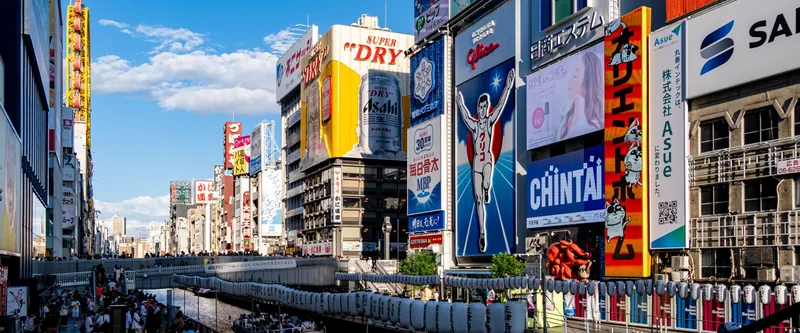
Osaka, Namba, Umeda, Osaka Castle
Highs around 34°C. Mix in water buses and indoor sightseeing
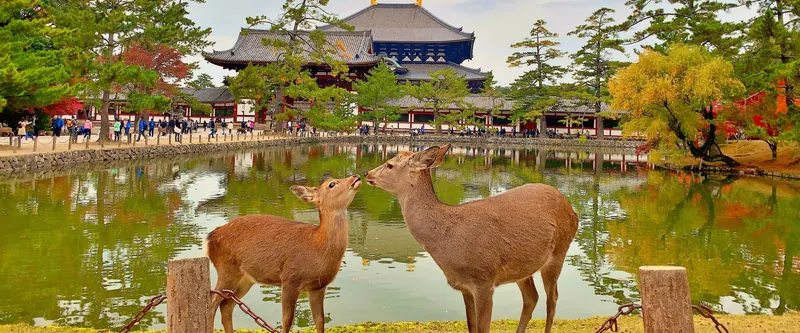
Nara, Nara Park, Todaiji, Mt. Yoshino
Highs around 33°C. Nara Tokae in early to mid-August
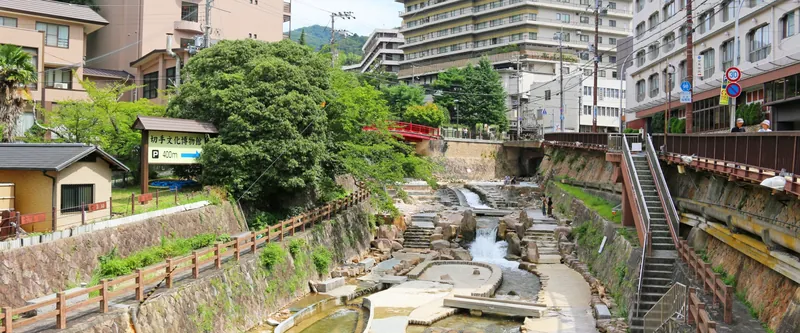
Kobe, Arima Onsen, Kitano Ijinkan, Mt. Rokko
Highs around 32°C. Good for night views and cool evenings on Mt. Rokko
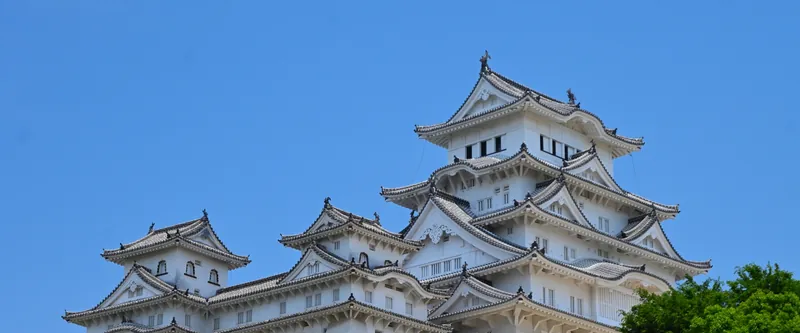
Himeji, Himeji Castle, Mt. Shosha
Highs around 33°C. Visit in the morning to avoid the heat
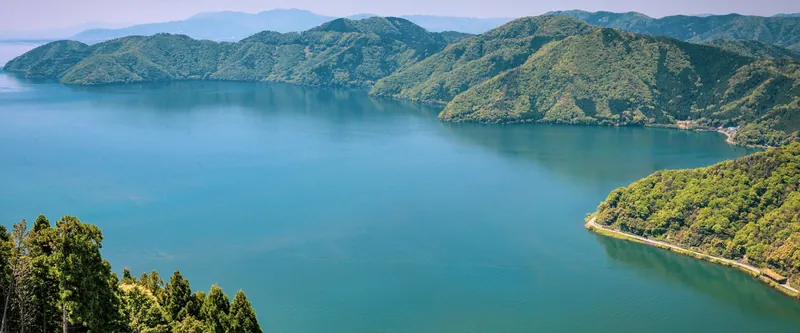
Otsu, Hikone, Omihachiman, Nagahama
The Biwako Fireworks Festival in early August. Pleasant evening breezes by the lake
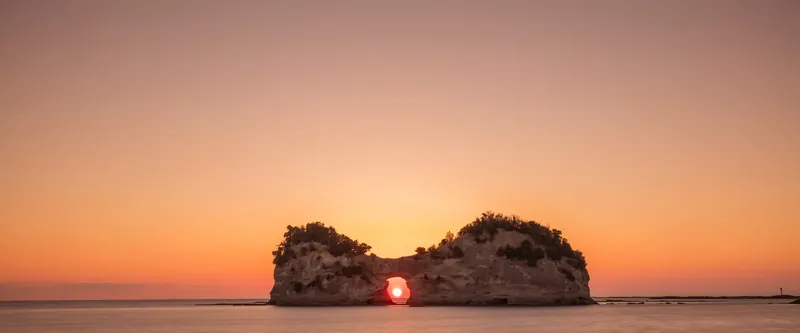
Shirahama, Kumano Kodo, Nachikatsuura, Kushimoto
Peak beach season. Keep an eye on typhoon information
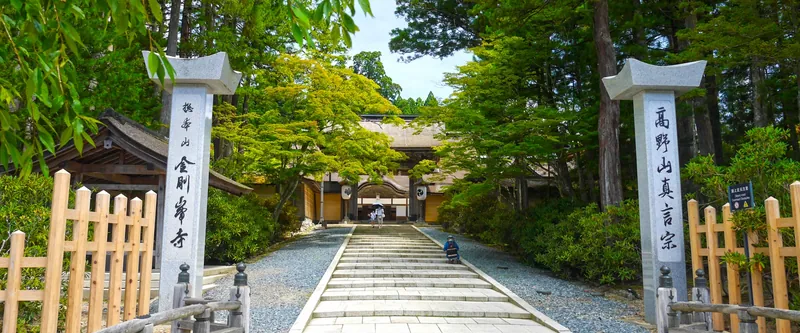
Koyasan, Okunoin, Danjo Garan
Highs around 28°C, mornings 19°C. Mando Kuyoe (Candle Festival) on the 13th
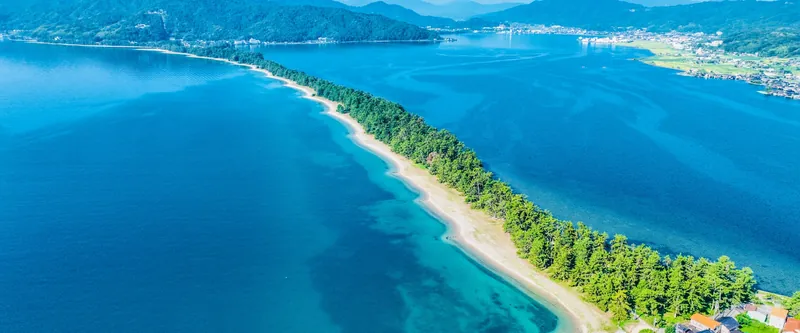
Miyazu, Amanohashidate, Ine
Highs around 32°C. Good for swimming and cruises
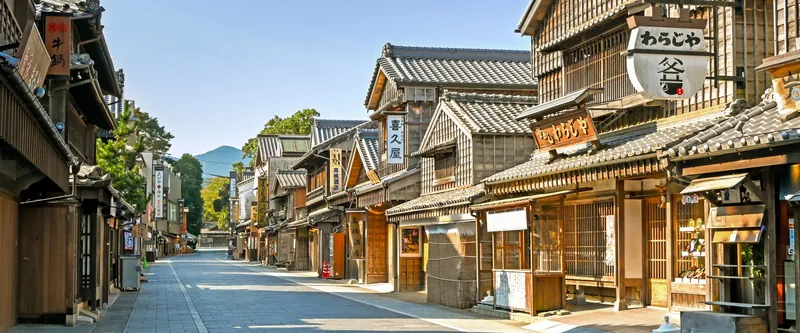
Ise, Ise Jingu, Toba, Shima
Highs around 32°C. Seaside resorts are at their busiest
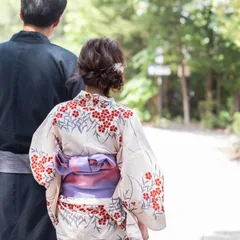
For touring temples and shrines, light clothing that covers your shoulders and knees is handy. You'll sweat, so carrying a change of clothes keeps you comfortable.
Avoid long stretches outdoors during the day, and drink water and replenish salt regularly. If you start to feel unwell, rest in a cool place right away.
During the Obon holidays in mid-August, the shinkansen, expressways and tourist spots are extremely crowded. Book your travel early.
Typhoons sometimes approach in August and September. Trains and flights may be suspended, so check the weather forecast during your trip.
It gets a little more comfortable after sunset. Evening plans such as special night viewings at temples, illuminations and night views are a good idea.
A ritual to send off the spirits of ancestors welcomed home during Obon. Fires in the shapes of "Dai," "Myoho," a ship, "Hidari Daimonji" and a torii gate are lit on the mountains surrounding Kyoto.
Read the guide:Gozan Okuribi (Kyoto Five Mountains Bonfires) →About 100,000 candles line the approach to Okunoin, bathing it in a magical glow.
Read the guide:Koyasan Candle Festival (Mando Kuyo-e) →One of Kansai's leading fireworks festivals, with about 10,000 fireworks launched over Lake Biwa.
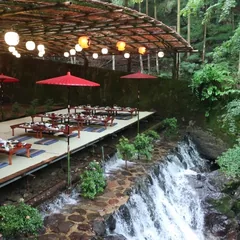
Read the guide:Biwako Grand Fireworks Festival →A Kyoto summer tradition from early summer to autumn, when restaurants build wooden dining platforms over or beside the river and serve meals on them. Along the Kamo River in the city center they are called "noryo yuka," with about 90 restaurants lining the west bank between Nijo and Gojo. In Kibune in northern Kyoto they are called "kawadoko," and you can enjoy the cool air on platforms set right above the mountain stream.
Read the guide:Noryo Yuka / Kawadoko (Kamogawa & Kibune) →Dates change every year. Please check the official websites before you go.
On average, the high is 33.7°C and the low is 24.7°C. It's the hottest month of the year, and some days top 35°C.
Koyasan, at about 800 m above sea level, has highs around 28°C and mornings around 19°C — about 5°C cooler than the cities.
Every year on the night of August 16. You can watch from places like the banks of the Kamo River, but it gets extremely crowded.
Source: Japan Meteorological Agency (climate normals 1991-2020). Compiled by tripuuu.log. Temperatures are from a representative station in each area; actual weather varies from year to year.