
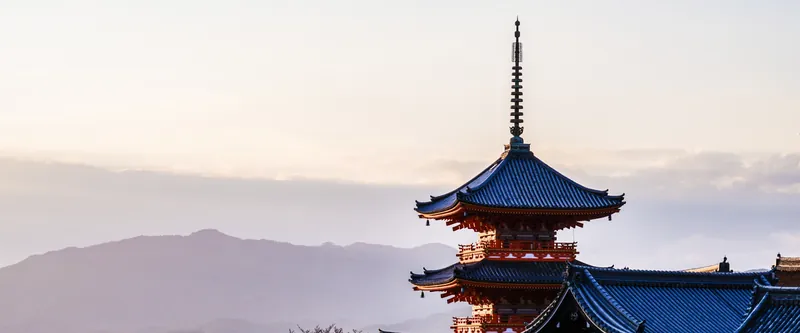
Kyoto City→
Station: KyotoKyoto, Arashiyama, Gion, Fushimi Inari
High
10.0℃
Low
1.6℃
- Precip.
- 65.1mm
- Sunshine
- 122h
- Sunset
- 17:38
The bone-deep chill continues. Kitano Tenmangu's Baikasai late in the month
Like January, February in Kansai brings many cold days. Kyoto's high is 10.0°C and mornings are around 1.6°C. Even so, plum blossoms begin to bloom at Kitano Tenmangu and Osaka Castle Park, bringing the first hints of spring. Amanohashidate and the area north of Lake Biwa are still in snow season. With relatively few tourists, it's also a time when you can explore Kyoto's temples and shrines at a leisurely pace.
Temperature, precipitation, snow and sunshine are climate normals (1991-2020). Sunset is for February 15.
Kyoto, Arashiyama, Gion, Fushimi Inari
The bone-deep chill continues. Kitano Tenmangu's Baikasai late in the month
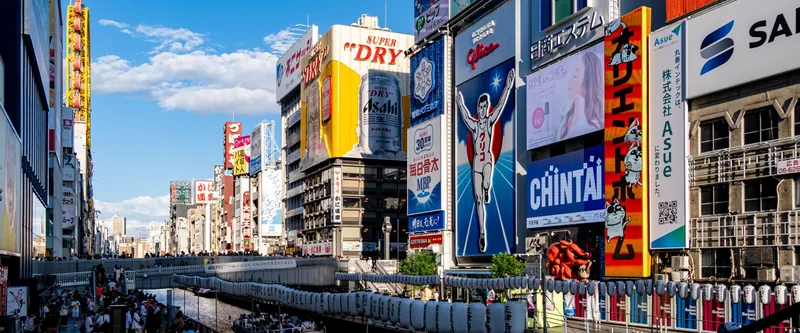
Osaka, Namba, Umeda, Osaka Castle
Highs around 10°C. The Osaka Castle Plum Grove comes into bloom
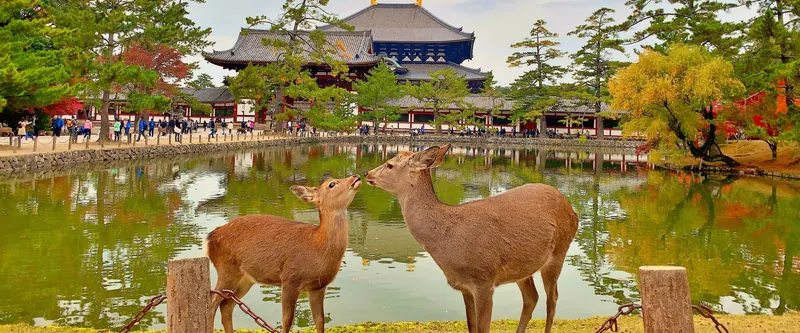
Nara, Nara Park, Todaiji, Mt. Yoshino
Mornings around 1°C. Nara Park in its quiet winter mode
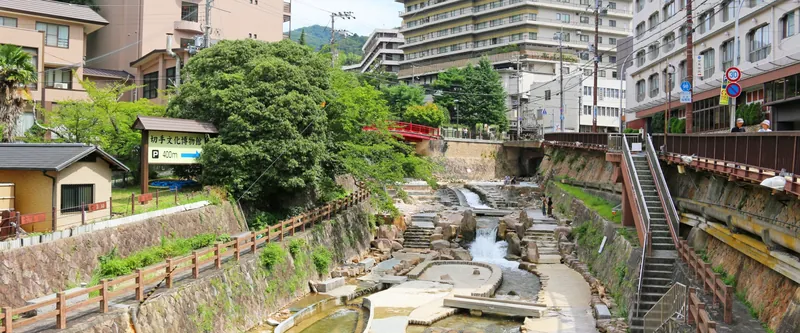
Kobe, Arima Onsen, Kitano Ijinkan, Mt. Rokko
Mornings around 3°C. Good for hot springs and exploring Chinatown
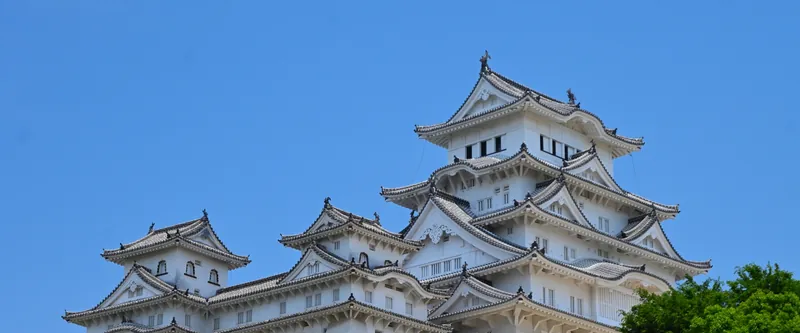
Himeji, Himeji Castle, Mt. Shosha
Mornings around 0°C. Himeji Castle looks stunning on clear days
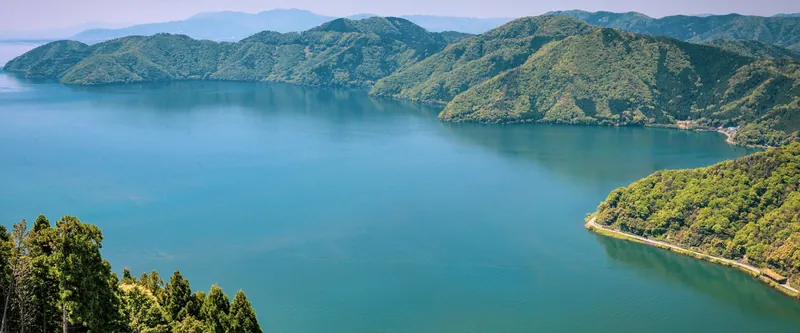
Otsu, Hikone, Omihachiman, Nagahama
Highs around 8°C. Nagahama's Bonbaiten (bonsai plum exhibition) is held
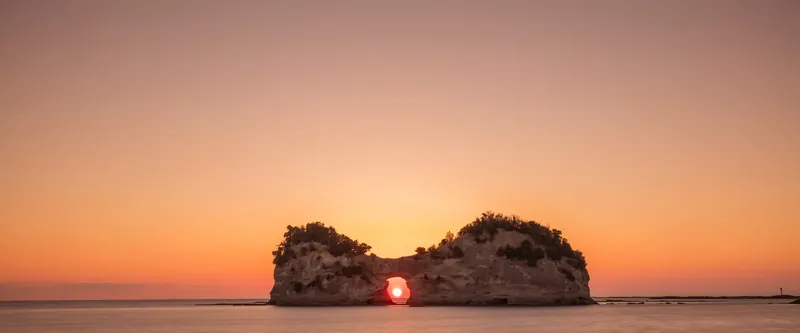
Shirahama, Kumano Kodo, Nachikatsuura, Kushimoto
Highs around 12°C. One of the warmest areas in Kansai
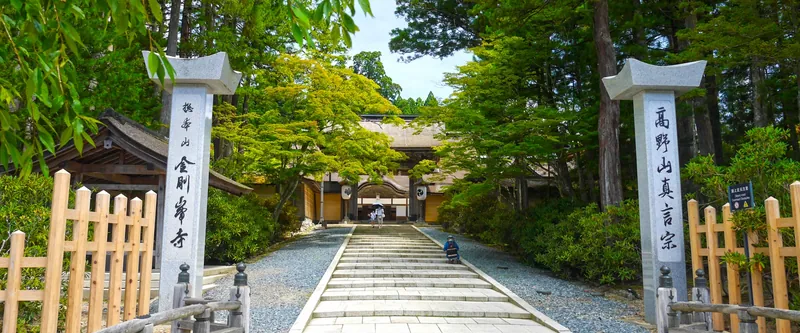
Koyasan, Okunoin, Danjo Garan
Highs around 5°C, mornings -4°C. Temples in the snow
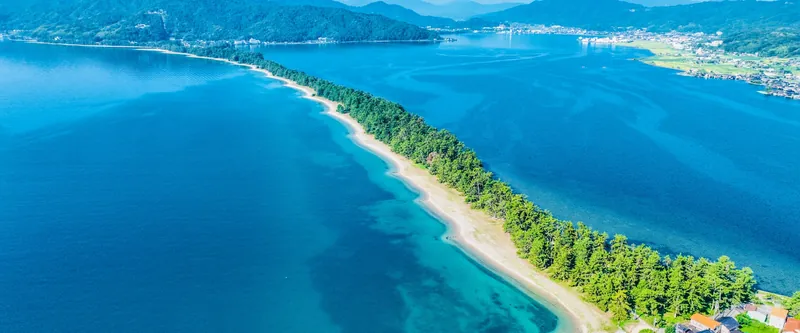
Miyazu, Amanohashidate, Ine
Snow on the ground on many days. Crab season continues
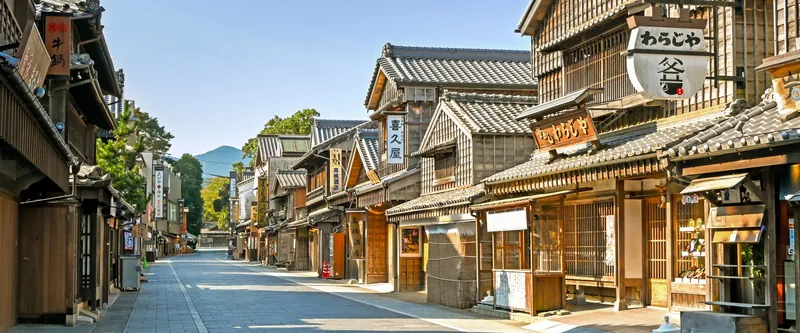
Ise, Ise Jingu, Toba, Shima
Mornings around 0°C. Winter oyster season
If you're heading to Amanohashidate or Koyasan, bring non-slip shoes you can walk on snow in.
February is a relatively quiet time for tourism in Kyoto. You can take your time at popular temples and shrines, and accommodation is easier to book.
Cedar pollen starts flying around mid-February. If you have hay fever, bring a mask and medication.
In winter, Kyoto holds special openings of temple and shrine buildings and cultural treasures that are normally closed to the public.
Snow can settle in Amanohashidate, north of Lake Biwa and on Koyasan. If you're driving, you'll need winter tires.
A ritual in which beans are thrown to drive away bad luck. At Kyoto's Yoshida Shrine, there are ceremonies featuring oni (demons) and lots of food stalls.
A festival held on the anniversary of the death of Sugawara no Michizane, the deity of learning. With the plum trees in bloom, an outdoor tea ceremony (nodate) is held in the shrine grounds.
Read the guide:Baikasai (Plum Blossom Festival) →PRKlookKimono Rental (Kyoto / by Kyoto Kimono Rental Yumeyakata)Rent a kimono at a shop near Gojo Station and explore KyotoView on KlookPRKlookKimono Rental with Hair Styling (Kyoto Ai Wafuku, Kyoto Station Store)A shop in front of Kyoto Station, with city bus route 50 running directly to Kitano TenmanguView on KlookAbout 100 varieties of plum bloom against the backdrop of Osaka Castle's main keep.
A festival of light that began as a memorial to the victims of the 1995 Great Hanshin-Awaji Earthquake and a prayer for the city's recovery and renewal. Huge works made with traditional Italian light sculptures (luminarie) illuminate three sites: Higashi Yuenchi Park, the Former Foreign Settlement, and Meriken Park. Since 2024 it has moved from December to late January – early February, and Meriken Park has a paid area.
Read the guide:Kobe Luminarie →Dates change every year. Please check the official websites before you go.
On average, the high is 10.0°C and the low is 1.6°C. It's about as cold as January, so you'll need a winter coat.
At Kitano Tenmangu and the Osaka Castle Plum Grove, they usually peak from early February to early March.
It's one of the quieter times of year for tourism. If you dress for the cold, you can explore temples and shrines at a leisurely pace.
Source: Japan Meteorological Agency (climate normals 1991-2020). Compiled by tripuuu.log. Temperatures are from a representative station in each area; actual weather varies from year to year.