Kyoto City→
Station: KyotoKyoto, Arashiyama, Gion, Fushimi Inari
High
32.0℃
Low
23.6℃
- Precip.
- 223.6mm
- Sunshine
- 143h
- Sunset
- 19:12
The month-long Gion Matsuri. Extremely crowded on Yoiyama nights and procession days
Summer arrives in earnest in Kansai as the rainy season ends. In the Kinki region, the rainy season usually ends around July 19. Kyoto's high is 32.0°C, and muggy days continue with nights that don't drop below 23°C. It's the season of Kansai's signature summer festivals: Kyoto's month-long Gion Matsuri and Osaka's Tenjin Matsuri. To escape the heat, head to high-altitude Koyasan or the beaches of Shirahama and Ise-Shima.
Temperature, precipitation, snow and sunshine are climate normals (1991-2020). Sunset is for July 15.
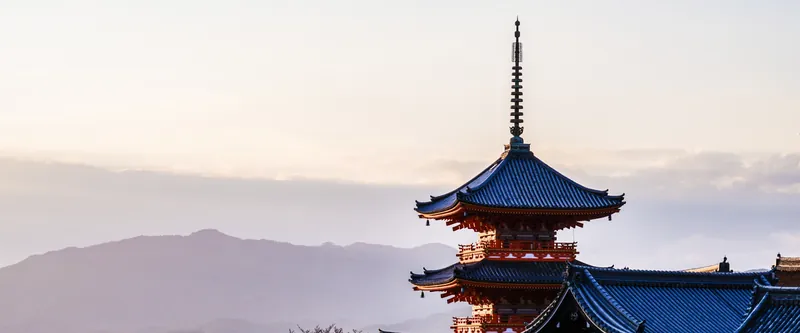
Kyoto, Arashiyama, Gion, Fushimi Inari
The month-long Gion Matsuri. Extremely crowded on Yoiyama nights and procession days
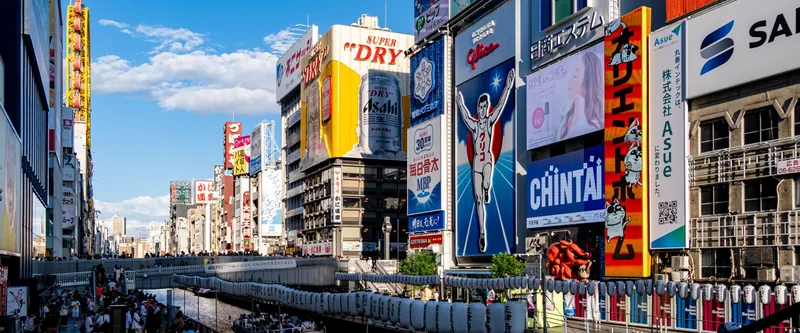
Osaka, Namba, Umeda, Osaka Castle
Tenjin Matsuri on the 24th–25th, with a boat procession and fireworks
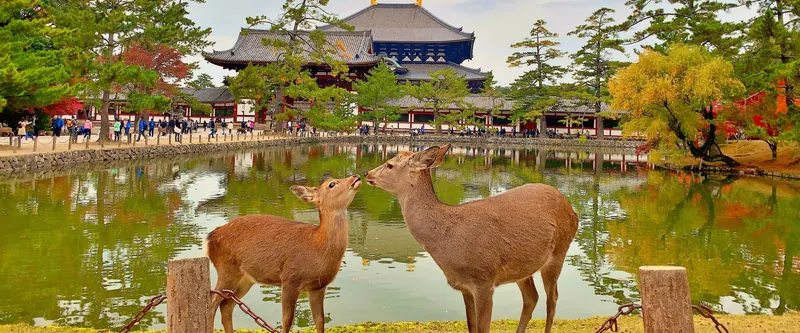
Nara, Nara Park, Todaiji, Mt. Yoshino
Highs around 32°C. Stick to the shade when walking around Nara Park
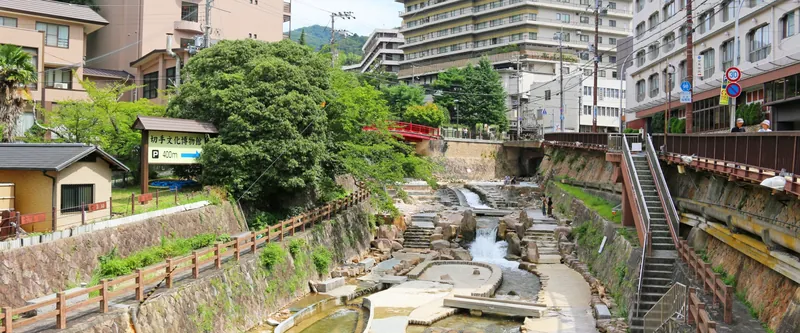
Kobe, Arima Onsen, Kitano Ijinkan, Mt. Rokko
Highs around 30°C. The top of Mt. Rokko is cooler than the city
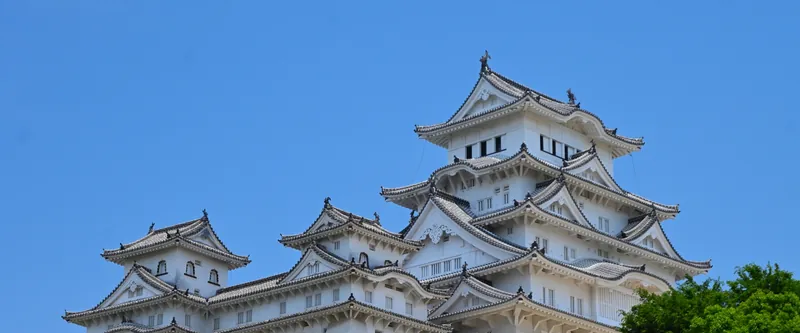
Himeji, Himeji Castle, Mt. Shosha
Highs around 31°C. Himeji Castle has lots of stairs, so take precautions against the heat
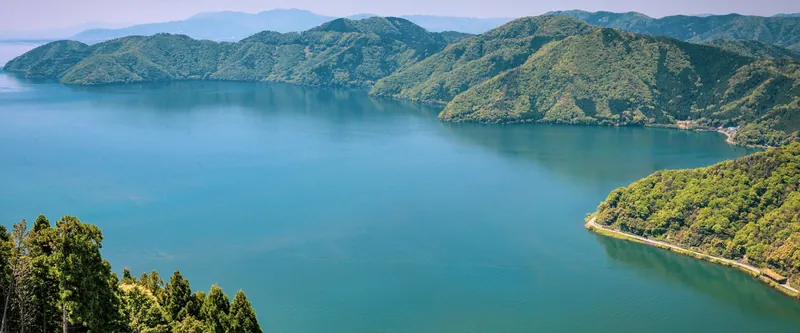
Otsu, Hikone, Omihachiman, Nagahama
The season for lake swimming and canoeing. Highs around 30°C
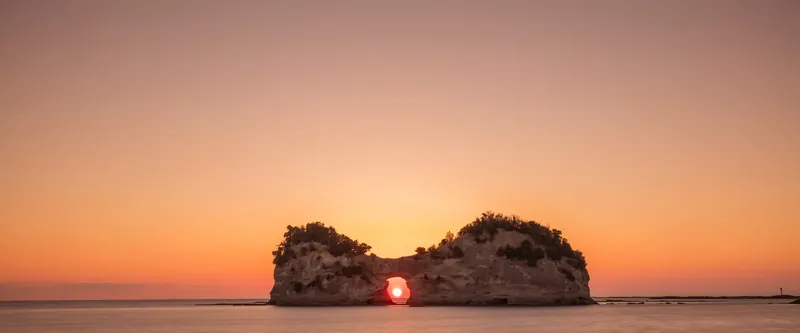
Shirahama, Kumano Kodo, Nachikatsuura, Kushimoto
Peak swimming season at Shirarahama. One of the rainier areas in Kansai
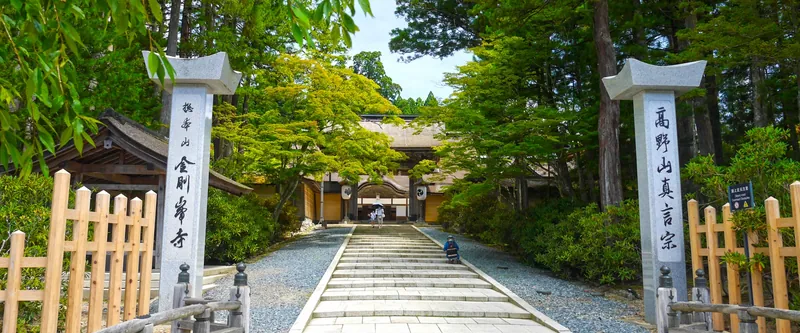
Koyasan, Okunoin, Danjo Garan
Highs around 27°C, mornings 18°C. Kansai's summer retreat
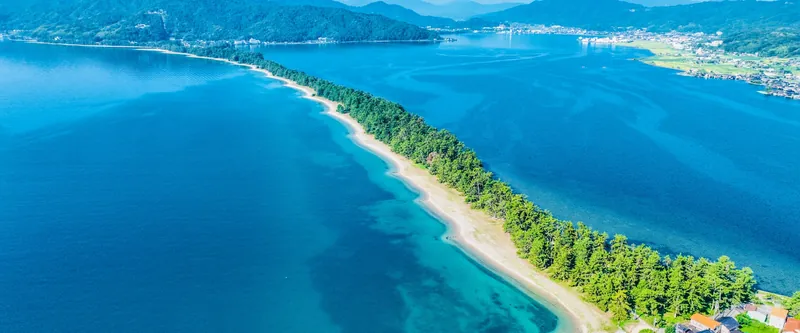
Miyazu, Amanohashidate, Ine
The beaches at Amanohashidate are busy. Highs around 31°C
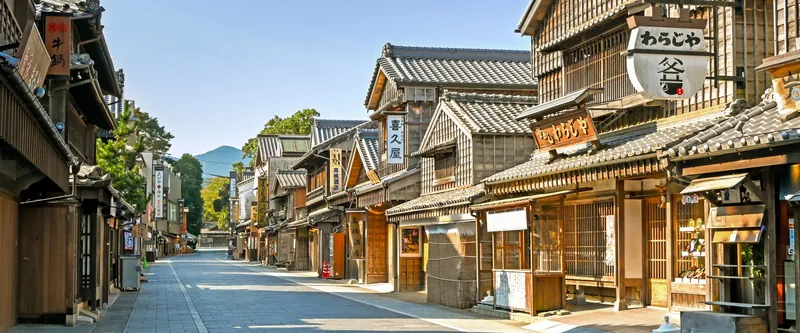
Ise, Ise Jingu, Toba, Shima
Highs around 31°C. The season for swimming and ama huts
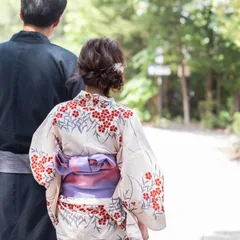
Some temples and shrines frown on very revealing clothing. Carrying a light shirt or stole is a good idea.
Kyoto sits in a basin, so summers are especially hot and humid. Drink water and replenish salt regularly, and keep daytime outdoor sightseeing short.
The afternoon is the hottest time of day. Visit temples and shrines early in the morning and spend the middle of the day indoors at museums or shops.
Accommodation in Kyoto is hard to find around the Yoiyama evenings and Yamaboko processions of the Gion Matsuri. We recommend booking early.
Even after the rainy season ends, sudden afternoon thunderstorms can occur. The Kii Peninsula (Shirahama, Kumano, Koyasan) is rainy, so check the weather forecast.
The festival of Yasaka Shrine and one of Japan's three great festivals. On the Yoiyama evenings leading up to the processions, the floats are lit with lanterns and food stalls line the streets.
Read the guide:Gion Matsuri →The festival of Osaka Tenmangu. On the night of the 25th, about 100 boats sail the Okawa River in the Funatogyo boat procession, accompanied by a fireworks display.
Read the guide:Tenjin Matsuri →A dramatic festival in front of Nachi Falls, in which the flames of huge torches purify the approach to the shrine.
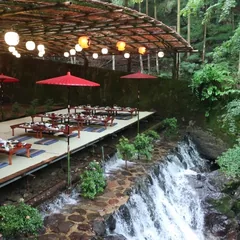
Read the guide:Nachi Fire Festival (Nachi no Ogi Matsuri) →A Kyoto summer tradition from early summer to autumn, when restaurants build wooden dining platforms over or beside the river and serve meals on them. Along the Kamo River in the city center they are called "noryo yuka," with about 90 restaurants lining the west bank between Nijo and Gojo. In Kibune in northern Kyoto they are called "kawadoko," and you can enjoy the cool air on platforms set right above the mountain stream.
Read the guide:Noryo Yuka / Kawadoko (Kamogawa & Kibune) →Dates change every year. Please check the official websites before you go.
On average, the high is 32.0°C and the low is 23.6°C. High humidity makes it feel hot and muggy.
In the Kinki region, the rainy season usually ends around July 19. It can end earlier or later depending on the year.
Every year on July 17 (Saki Matsuri) and July 24 (Ato Matsuri). The Yoiyama evenings leading up to them are also popular.
Source: Japan Meteorological Agency (climate normals 1991-2020). Compiled by tripuuu.log. Temperatures are from a representative station in each area; actual weather varies from year to year.