
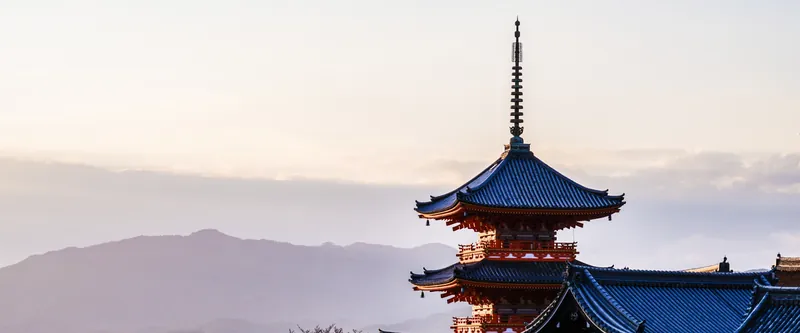
Kyoto City→
Station: KyotoKyoto, Arashiyama, Gion, Fushimi Inari
High
9.1℃
Low
1.5℃
- Precip.
- 53.3mm
- Sunshine
- 124h
- Sunset
- 17:07
A bone-deep chill. Fushimi Inari and Yasaka Shrine are packed on January 1–3
January is the coldest month of the year in Kansai. Kyoto's high is 9.1°C and mornings drop to around 1.5°C. Kyoto sits in a basin, and its winter cold, known as sokobie, chills you to the bone, so it feels even colder than the numbers suggest. Osaka and Kobe are a little milder, but snow settles in Amanohashidate in the north and around the northern shores of Lake Biwa, while Koyasan is in the depths of winter at around 3°C even in the daytime. It's a great season for New Year shrine visits and for the hot springs of Arima and Shirahama.
Temperature, precipitation, snow and sunshine are climate normals (1991-2020). Sunset is for January 15.
Kyoto, Arashiyama, Gion, Fushimi Inari
A bone-deep chill. Fushimi Inari and Yasaka Shrine are packed on January 1–3
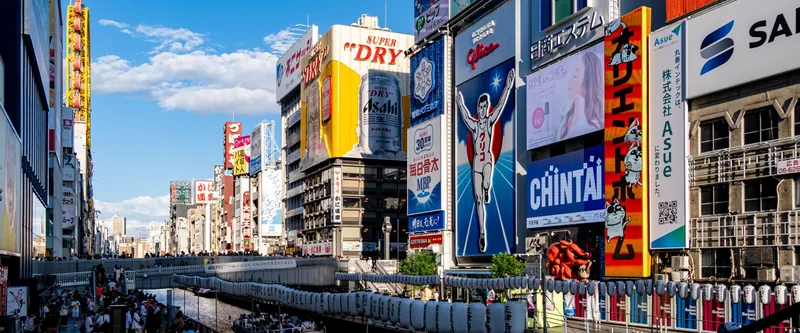
Osaka, Namba, Umeda, Osaka Castle
Highs around 10°C. Lots of sunny, dry days
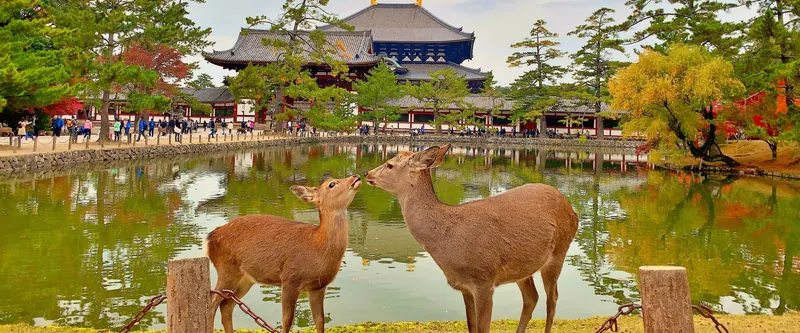
Nara, Nara Park, Todaiji, Mt. Yoshino
Mornings around 1°C. Wakakusa Yamayaki late in the month
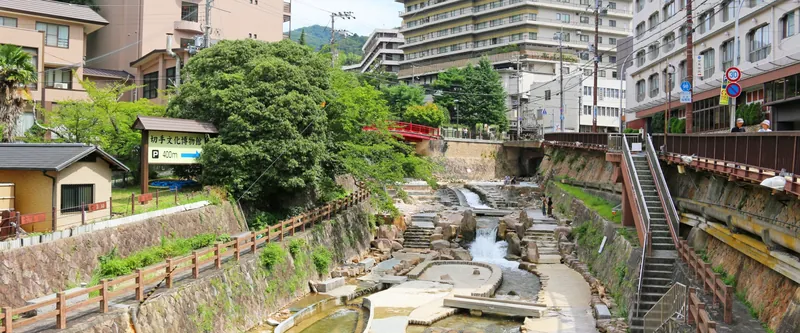
Kobe, Arima Onsen, Kitano Ijinkan, Mt. Rokko
On the coast and a little milder than Kyoto. Perfect season for Arima Onsen
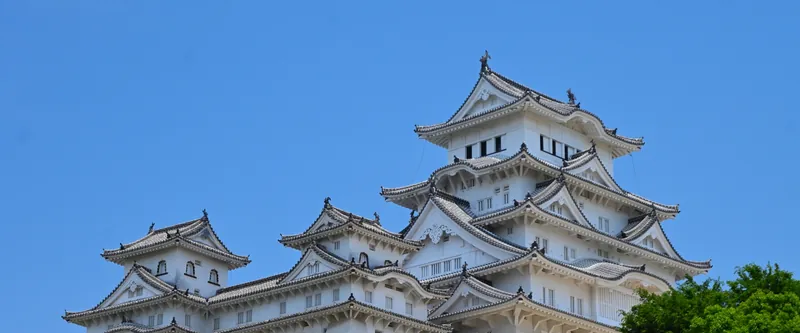
Himeji, Himeji Castle, Mt. Shosha
Mornings drop to around 0°C. Lots of sunny days
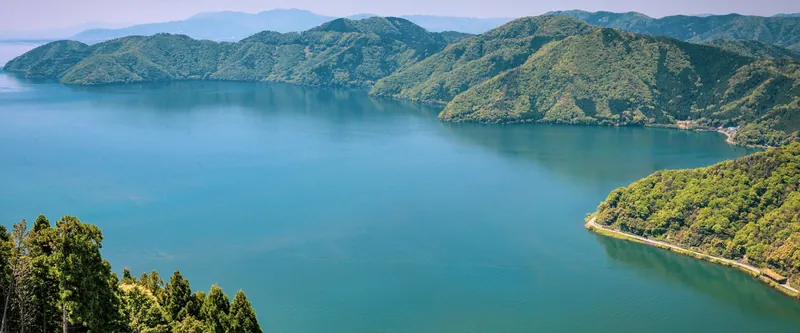
Otsu, Hikone, Omihachiman, Nagahama
Highs around 7°C. Snow settles in the northern lake area (Kohoku)
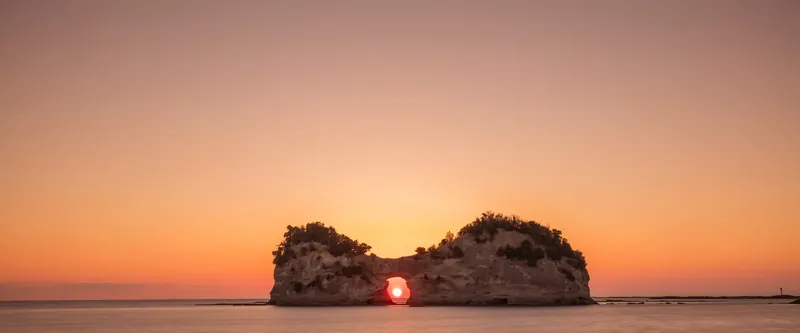
Shirahama, Kumano Kodo, Nachikatsuura, Kushimoto
Highs around 11°C, on the warm side for Kansai. Enjoy the hot springs
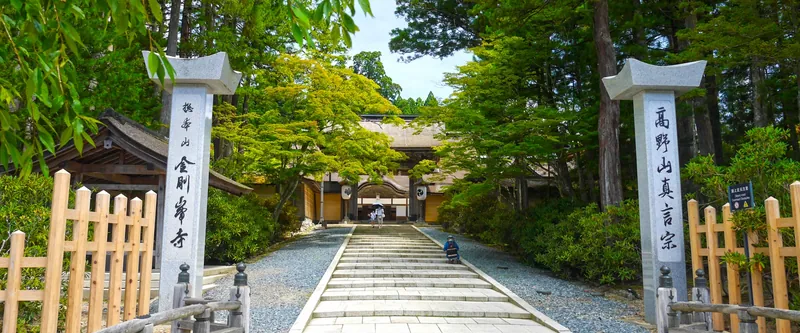
Koyasan, Okunoin, Danjo Garan
Highs around 3°C, mornings -4°C. Snow may settle; watch out for icy roads
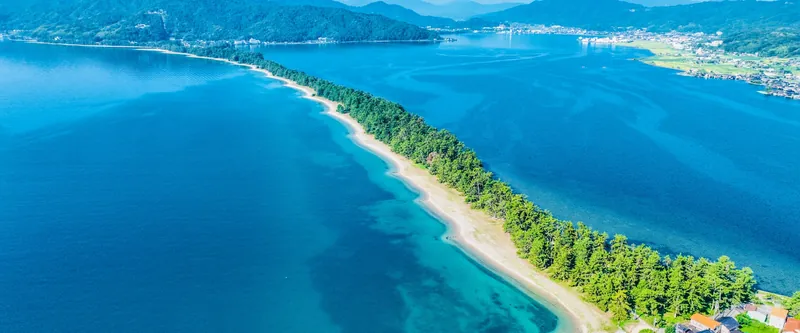
Miyazu, Amanohashidate, Ine
Snow on the ground on many days. Winter crab season
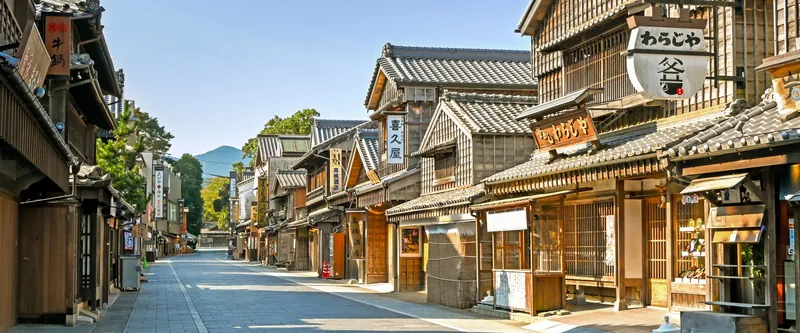
Ise, Ise Jingu, Toba, Shima
Mornings around 0°C. Ise Jingu is busy with New Year visitors
At temples and shrines you often take off your shoes and walk on wooden floors, so your feet get cold. Thick socks and kairo heat packs will keep you comfortable.
Many of Kyoto's temple and shrine buildings have no heating, and you take off your shoes and walk on cold floors. Wearing thick socks makes visits much more comfortable.
From January 1 to 3, huge numbers of New Year visitors flock to Fushimi Inari Taisha, Yasaka Shrine, Sumiyoshi Taisha and more. Trains and roads are crowded too.
From about January 1 to 3, museums and some shops and restaurants are closed. Check the opening days of places you want to visit.
Snow can settle in Amanohashidate, north of Lake Biwa and on Koyasan. If you're driving a rental car, you'll need winter tires.
The Japanese custom of visiting a shrine or temple at the start of the new year. Fushimi Inari Taisha is one of the shrines that draws the most visitors in Kansai.
An event in which the grassy slopes of Mt. Wakakusa, east of Nara Park, are set on fire. After a fireworks display, the whole hillside is engulfed in flames.
Read the guide:Wakakusa Yamayaki →A festival of lights that began as a memorial to the victims of the Great Hanshin-Awaji Earthquake and a symbol of hope for the city's recovery. In recent years it has been held around late January.
Read the guide:Kobe Luminarie →Dates change every year. Please check the official websites before you go.
On average, the high is 9.1°C and the low is 1.5°C. It's the coldest month of the year, with mornings dropping close to 0°C.
It can, but snow doesn't often settle in the city. You'll only get to see Kinkakuji dusted with snow a few times a year.
You'll need a winter coat such as a down jacket, plus gloves and a scarf. Temples and shrines are cold underfoot, so thick socks are also recommended.
Source: Japan Meteorological Agency (climate normals 1991-2020). Compiled by tripuuu.log. Temperatures are from a representative station in each area; actual weather varies from year to year.