
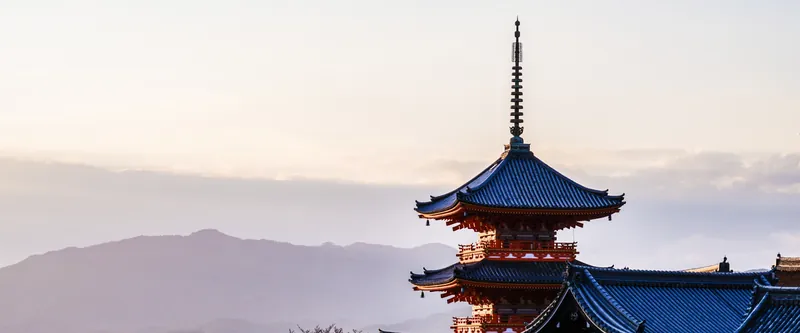
Kyoto City→
Station: KyotoKyoto, Arashiyama, Gion, Fushimi Inari
High
28.1℃
Low
19.2℃
- Precip.
- 199.7mm
- Sunshine
- 133h
- Sunset
- 19:12
Hydrangeas at Mimurotoji and Fujinomori Shrine. Lush greenery at Kokedera and Gioji
June is the rainy season in Kansai. In the Kinki region, the rainy season usually starts around June 6. There are many rainy or cloudy days, and with Kyoto's high at 28.1°C, humid, muggy days become more common. On the other hand, moss gardens glistening in the rain and the hydrangeas at Mimurotoji and elsewhere have a beauty unique to this season. Relatively few tourists is another plus.
Temperature, precipitation, snow and sunshine are climate normals (1991-2020). Sunset is for June 15.
Kyoto, Arashiyama, Gion, Fushimi Inari
Hydrangeas at Mimurotoji and Fujinomori Shrine. Lush greenery at Kokedera and Gioji
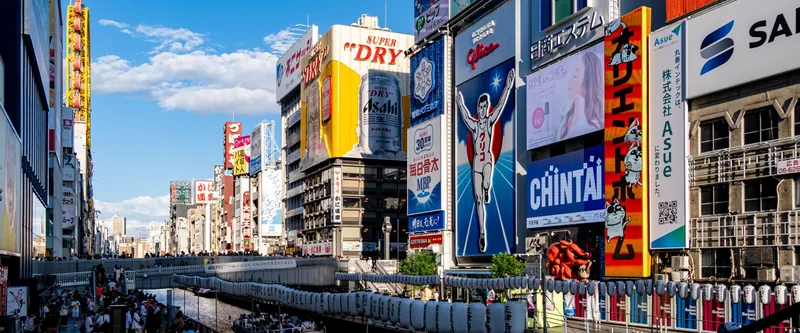
Osaka, Namba, Umeda, Osaka Castle
On rainy days, head indoors to museums or the Kaiyukan aquarium
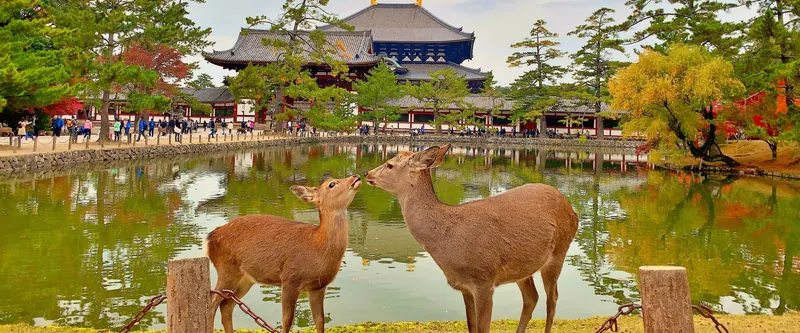
Nara, Nara Park, Todaiji, Mt. Yoshino
Highs around 28°C. Nara Park is quieter in the rain
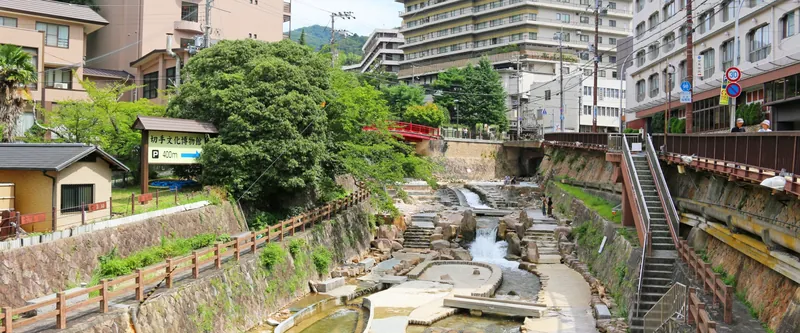
Kobe, Arima Onsen, Kitano Ijinkan, Mt. Rokko
Highs around 27°C. Relax at Arima Onsen
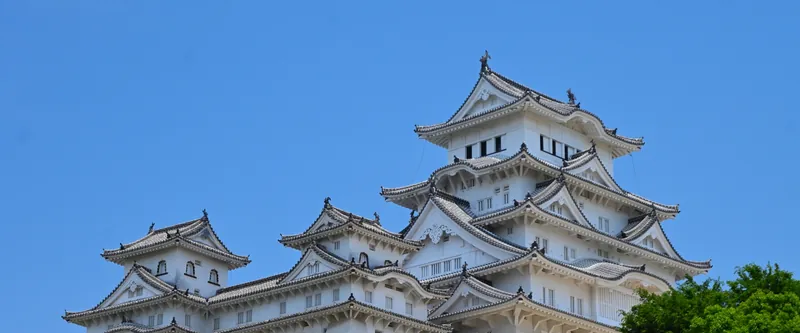
Himeji, Himeji Castle, Mt. Shosha
On rainy days, tour the inside of Himeji Castle's keep
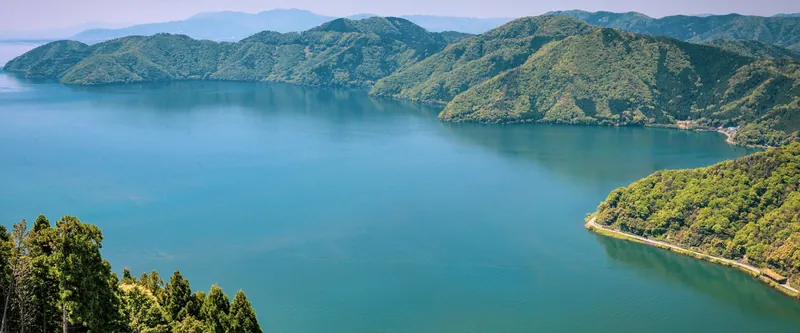
Otsu, Hikone, Omihachiman, Nagahama
Highs around 26°C. A little cooler by the lake
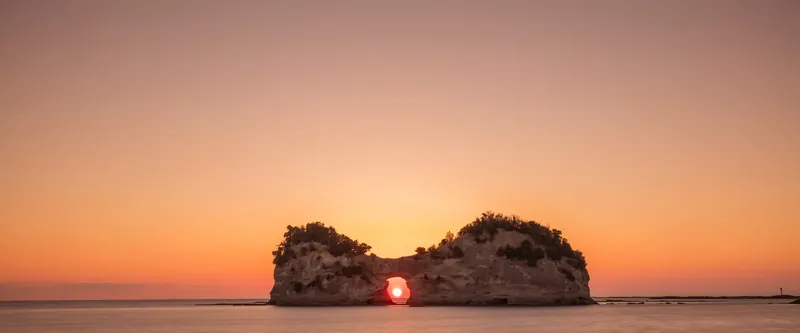
Shirahama, Kumano Kodo, Nachikatsuura, Kushimoto
One of the rainiest times in Kansai. Watch out for heavy rain
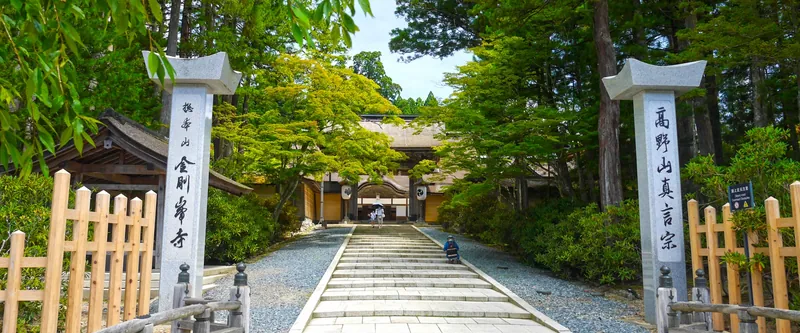
Koyasan, Okunoin, Danjo Garan
Cool, with highs around 23°C. Lots of rain
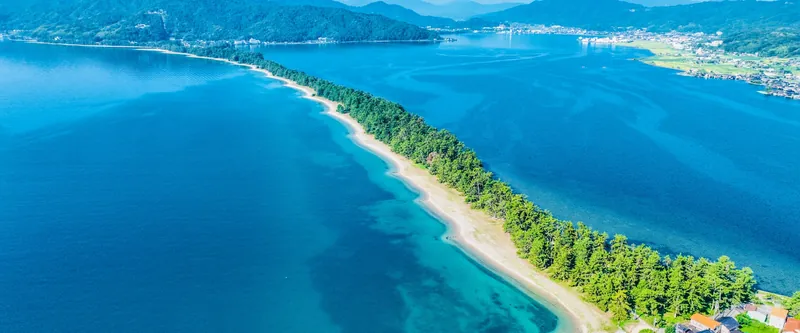
Miyazu, Amanohashidate, Ine
Highs around 27°C. Amanohashidate is beautiful when the sun breaks through
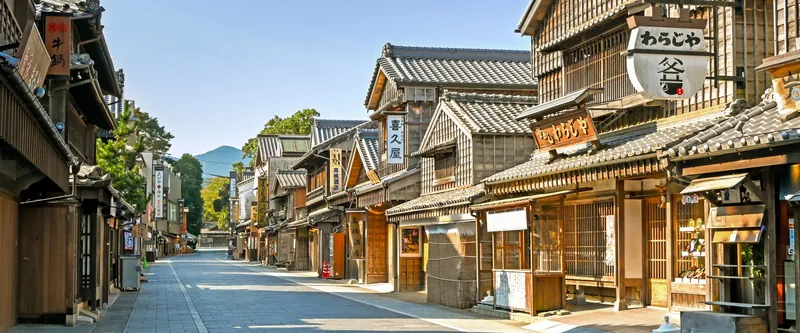
Ise, Ise Jingu, Toba, Shima
Fairly rainy. The forest of Ise Jingu has its own charm in the rain
On Koyasan, mornings and evenings drop to around 14°C. Bring a long-sleeved layer.
Even if it's sunny in the morning, it can suddenly start raining. You can buy umbrellas at convenience stores, but carrying a folding umbrella is handy.
Moss gardens are said to be at their most beautiful on rainy days. Also plan in places you can enjoy indoors, like museums and temple buildings.
It's hot and humid outside, while trains and shops are air-conditioned. A layer that's easy to put on and take off keeps you comfortable.
Toward the end of the rainy season, there can be heavy downpours. The Kii Peninsula (Shirahama, Kumano, Koyasan) is especially rainy, so check the weather forecast.
Known as the "hydrangea temple," with about 20,000 hydrangea plants filling a valley. You can combine it with a visit to Byodoin in Uji.
The season when rain makes the green of the moss even more vivid. Saihoji (Kokedera, the Moss Temple) requires advance reservations.
You may see Genji fireflies glowing by the water at night.
A Kyoto summer tradition from early summer to autumn, when restaurants build wooden dining platforms over or beside the river and serve meals on them. Along the Kamo River in the city center they are called "noryo yuka," with about 90 restaurants lining the west bank between Nijo and Gojo. In Kibune in northern Kyoto they are called "kawadoko," and you can enjoy the cool air on platforms set right above the mountain stream.
Read the guide:Noryo Yuka / Kawadoko (Kamogawa & Kibune) →Dates change every year. Please check the official websites before you go.
In the Kinki region, the rainy season usually starts around June 6 and ends around July 19.
On average, the high is 28.1°C and the low is 19.2°C. High humidity makes it feel hot and muggy.
There are many rainy days, so have a folding umbrella and some indoor plans ready. A light layer for air conditioning is also handy.
Source: Japan Meteorological Agency (climate normals 1991-2020). Compiled by tripuuu.log. Temperatures are from a representative station in each area; actual weather varies from year to year.