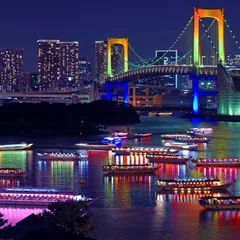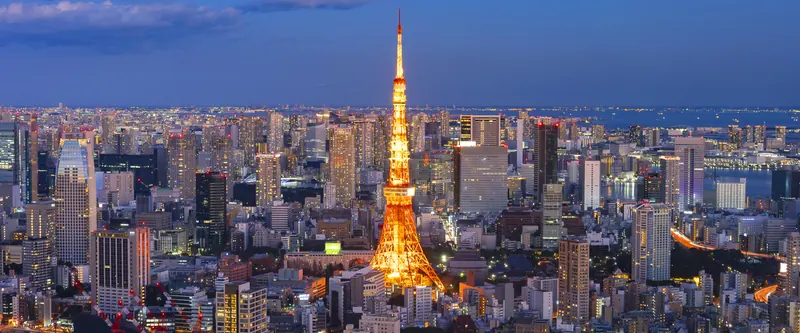
Central Tokyo→
Station: TokyoShinjuku, Shibuya, Asakusa, Ginza
High
31.3℃
Low
23.5℃
- Precip.
- 154.7mm
- Sunshine
- 174h
- Sunset
- 18:32
The hottest time of year. Keep daytime outdoor sightseeing short
August is the hottest month of the year in Tokyo. Central Tokyo's average high is 31.3°C, but in recent years days above 35°C are not unusual. Many nights stay above 25°C and humidity is high, so beating the heat is a must. In mid-August, Obon (a holiday period when many people travel to their hometowns) crowds the transport network. To escape the heat, we recommend Karuizawa, Oku-Nikko or Kusatsu.
Temperature, precipitation, snow and sunshine are climate normals (1991-2020). Sunset is for August 15.
Shinjuku, Shibuya, Asakusa, Ginza
The hottest time of year. Keep daytime outdoor sightseeing short
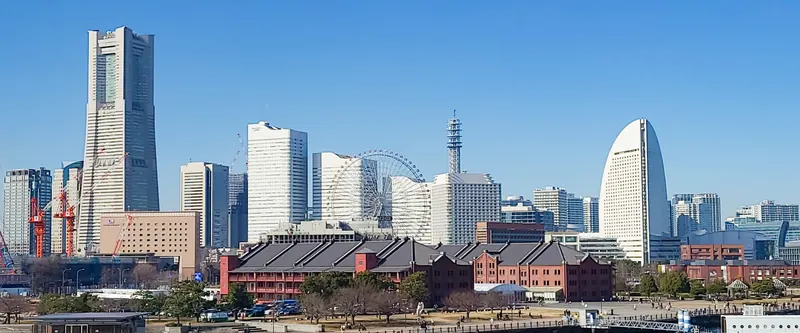
Minato Mirai, Chinatown, Red Brick Warehouse
Highs around 31°C. Evening walks to take in the harbor night view are recommended
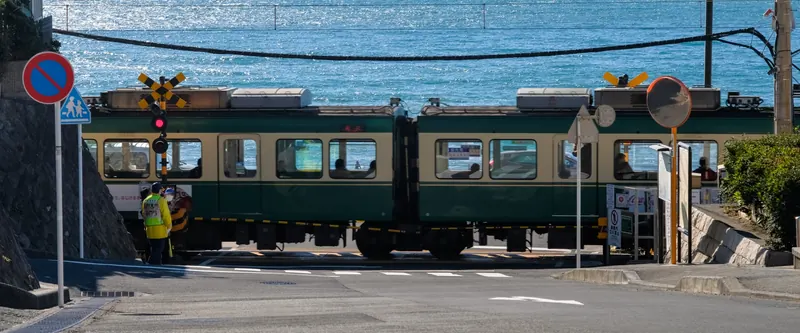
Kamakura, Enoshima, Shonan
The height of beach season. Enoshima and its surroundings are extremely crowded
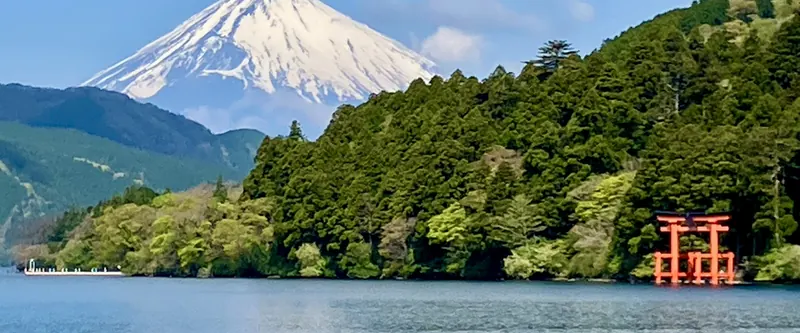
Hakone-Yumoto, Gora, Lake Ashi, Owakudani
Highs around 29°C. More comfortable than central Tokyo
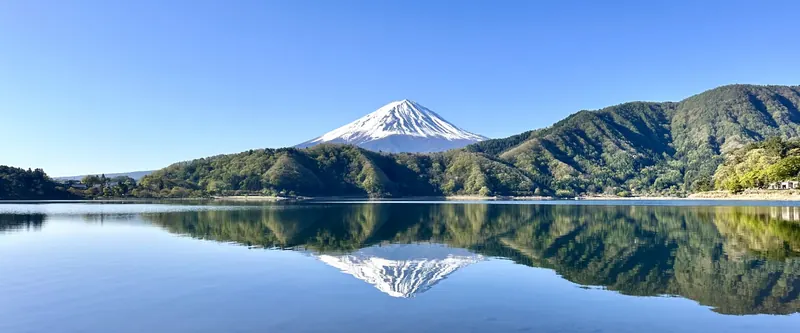
Lake Kawaguchi, Lake Yamanaka, Oshino Hakkai
Highs around 28°C and mornings around 18°C — cool by the lakes
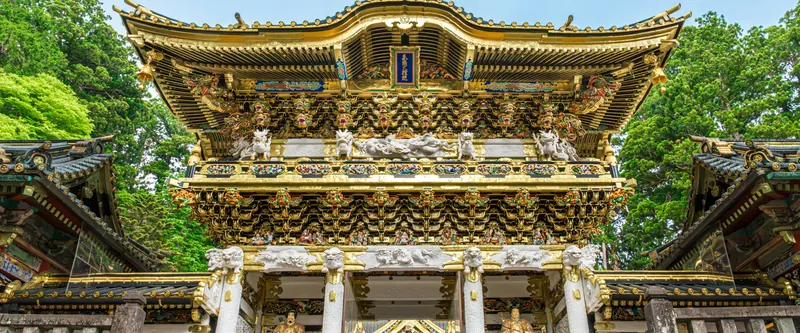
Nikko, Lake Chuzenji, Kegon Falls, Kinugawa Onsen
Oku-Nikko's high is around 23°C. Ideal for escaping the heat, but rainy
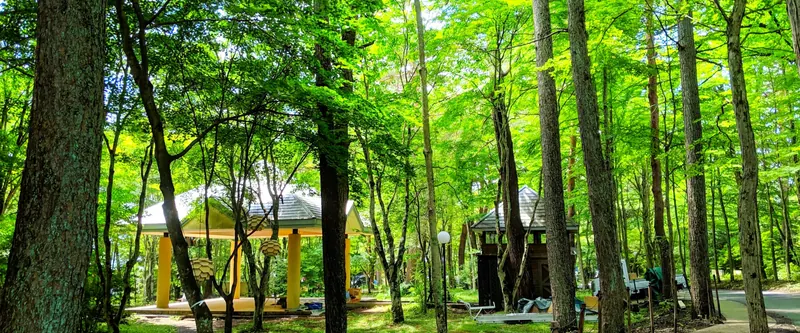
Karuizawa, Kyu-Karuizawa, Shiraito Falls
Highs around 26°C, mornings around 17°C. A popular summer retreat
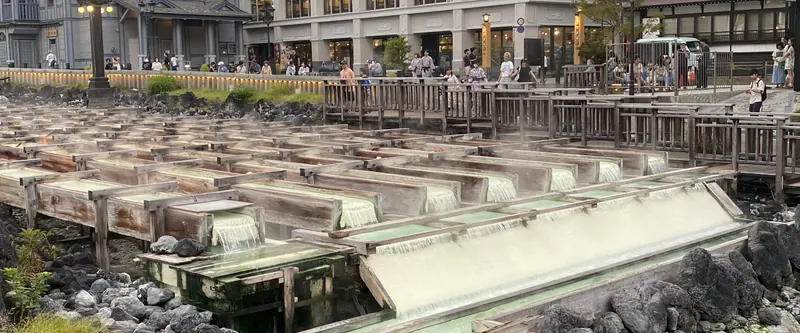
Kusatsu, Yubatake, Sainokawara
Highs around 24°C. Enjoy hot springs in the cool highlands
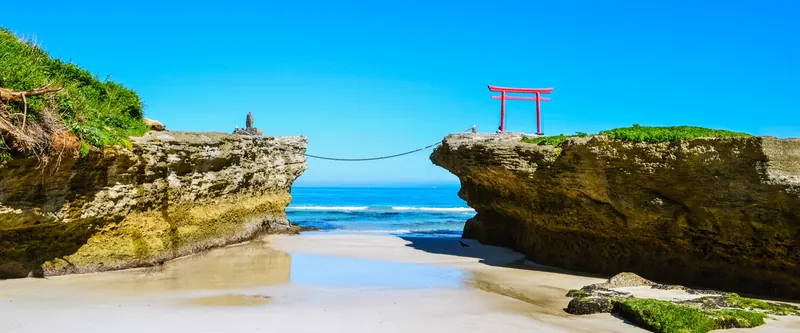
Atami, Ito, Jogasaki Coast
The height of beach season, plus Atami's Marine Fireworks Festival
When visiting temples and shrines, it's best to avoid showing too much shoulder or knee. In Karuizawa and Oku-Nikko, light long sleeves are comfortable in the morning and evening.
Avoid long stretches of outdoor sightseeing, and take frequent breaks to drink water and replace salt. Vending machines and konbini (convenience stores) are everywhere, so drinks are always easy to find.
During Obon in mid-August, the shinkansen, flights and expressways are extremely busy. Book your transport early.
Typhoons may approach from late August. Trains and flights can be suspended, so check the forecast before your trip.
Afternoons can bring sudden thunderstorms. If you hear thunder, take shelter inside a building.
Fireworks launched over Atami Bay, surrounded by mountains on three sides, echo dramatically. Shows are especially frequent in summer.
Read the guide:Atami Fireworks Festival →PRKlookHakone & Atami Fireworks Day Tour from Tokyo: Mt. Fuji, Hakone Shrine & Lakeside Torii, Lake Ashi Stroll, Atami Sun Beach & Atami Fireworks FestivalA bus tour from Tokyo covering Hakone sightseeing and the Atami fireworks in one day (view from the beach or a sightseeing boat)View on KlookPRKlookFireworks Days Only | Atami & Kamakura Fireworks Day Tour from TokyoA day tour from Tokyo combining sightseeing in Kamakura and Enoshima with the Atami fireworksView on KlookBeaches about an hour from Tokyo by train, lined with beach huts (umi-no-ie) and buzzing with summer energy.
About 10,000 dancers parade through the shopping streets in a festival that marks the end of summer in Tokyo.
Read the guide:Tokyo Koenji Awa-Odori →Dates change every year. Please check the official websites before you go.
On average, the high is 31.3°C and the low is 23.5°C. It's the hottest month of the year, and some days top 35°C.
Heatstroke prevention matters most. Keep daytime outdoor sightseeing short, and drink water and replace salt often. Also watch out for Obon crowds and typhoons.
Karuizawa, Oku-Nikko and Kusatsu have highs of about 23–26°C, around 5–8°C cooler than central Tokyo.
Source: Japan Meteorological Agency (climate normals 1991-2020). Compiled by tripuuu.log. Temperatures are from a representative station in each area; actual weather varies from year to year.