
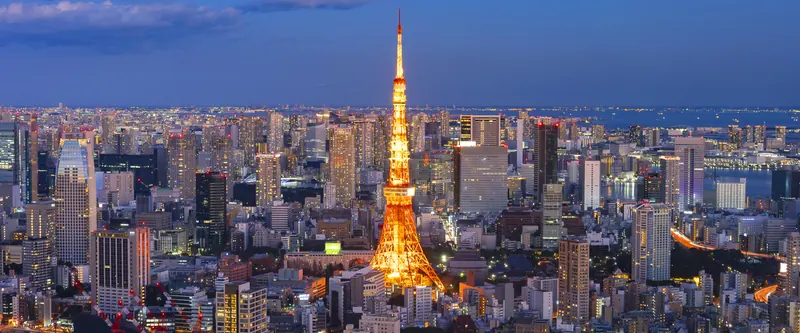
Central Tokyo→
Station: TokyoShinjuku, Shibuya, Asakusa, Ginza
High
16.7℃
Low
8.8℃
- Precip.
- 96.3mm
- Sunshine
- 150h
- Sunset
- 16:35
From late November, the ginkgo avenue at Jingu Gaien turns yellow
November in Tokyo brings lots of sunny days with clear air — perfect for sightseeing. Central Tokyo's high is 16.7°C, with mornings around 9°C. The autumn colors reach Hakone and Lake Kawaguchi in early to mid-November, then come down to central Tokyo's ginkgo avenues and gardens late in the month. Mt. Fuji also becomes easier to see. Nikko, Karuizawa and Kusatsu, with mornings dropping to around 0°C, are on the doorstep of winter.
Temperature, precipitation, snow and sunshine are climate normals (1991-2020). Sunset is for November 15.
Shinjuku, Shibuya, Asakusa, Ginza
From late November, the ginkgo avenue at Jingu Gaien turns yellow
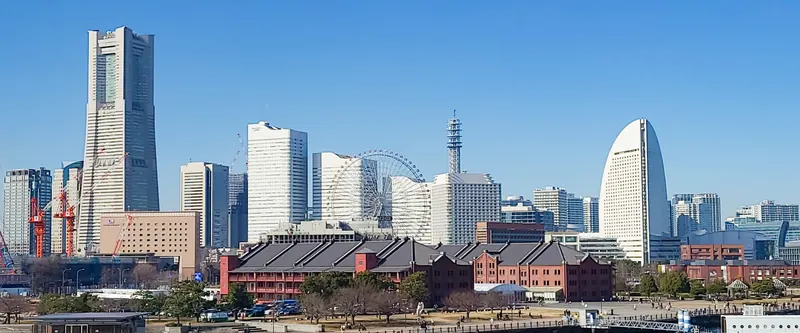
Minato Mirai, Chinatown, Red Brick Warehouse
Highs around 17°C. The ginkgo trees on Nihon-odori Avenue are another highlight
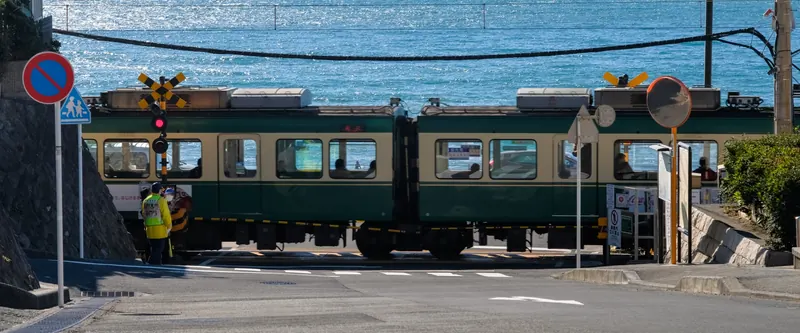
Kamakura, Enoshima, Shonan
Autumn leaves at the temples start to turn late in the month
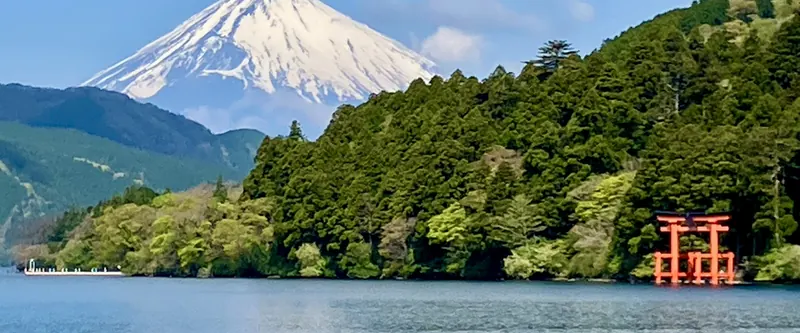
Hakone-Yumoto, Gora, Lake Ashi, Owakudani
Autumn leaves peak in early to mid-November. Mornings around 6°C
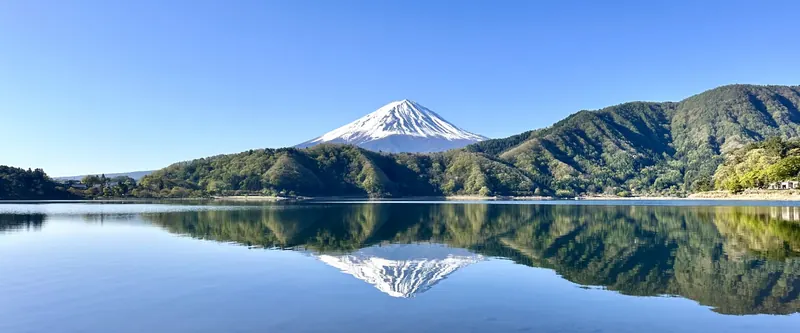
Lake Kawaguchi, Lake Yamanaka, Oshino Hakkai
Autumn Leaves Festival season (usually early to late November). See snowcapped Mt. Fuji and autumn leaves together
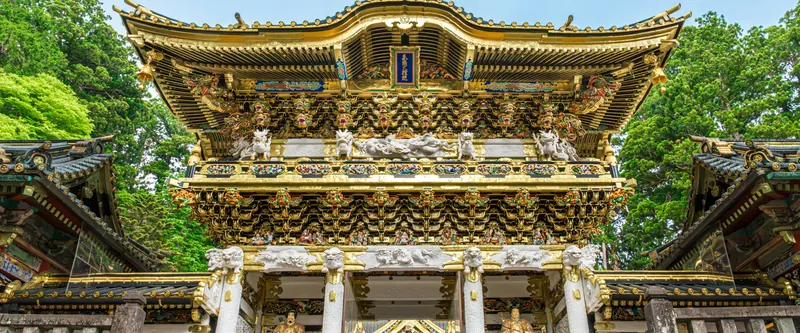
Nikko, Lake Chuzenji, Kegon Falls, Kinugawa Onsen
Oku-Nikko mornings are around 0°C, with the first snow. Autumn leaves in Nikko town last until early November
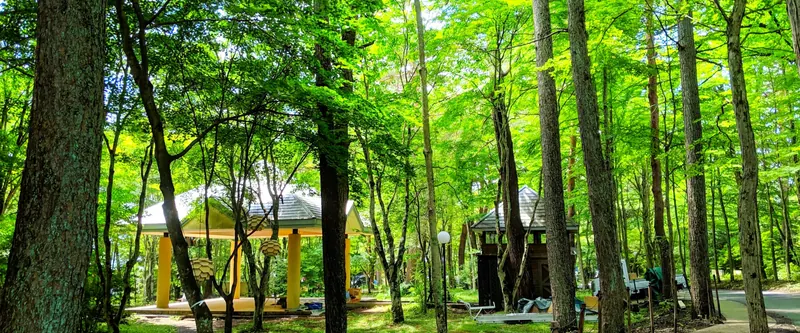
Karuizawa, Kyu-Karuizawa, Shiraito Falls
Some mornings below 0°C. The golden larches are beautiful in early November
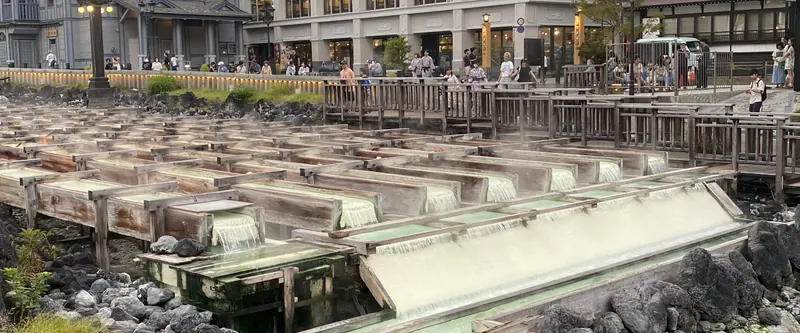
Kusatsu, Yubatake, Sainokawara
Mornings around 0°C. Snow flurries are possible late in the month
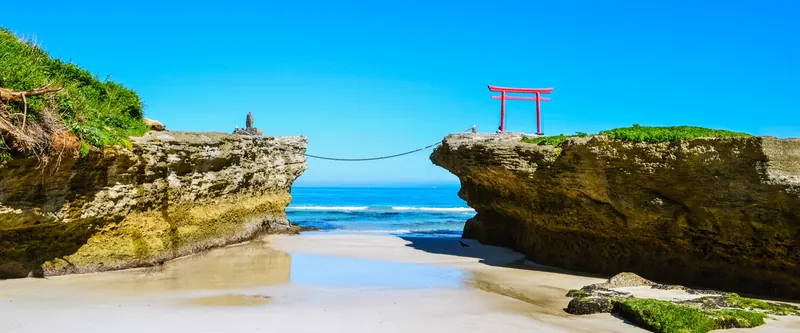
Atami, Ito, Jogasaki Coast
Highs around 17°C, warmer than Tokyo. Autumn leaves at Shuzenji late in the month
If you're heading to Nikko, Karuizawa or Kusatsu, bring a winter coat and gloves.
Autumn leaf light-ups at gardens, temples and shrines are held at night. It can feel more than 5°C colder than during the day, so bundle up.
In Hakone and Lake Kawaguchi, roads get congested on weekends when the leaves are at their peak. We recommend using trains and buses, or traveling on weekdays.
From November, the air turns dry and clear, and Mt. Fuji becomes clearly visible. The earlier in the morning, the better your chances.
From around mid-November, Christmas illuminations light up across central Tokyo.
A roughly 300 m avenue of ginkgo trees turns golden — one of Tokyo’s signature autumn-leaf spots. The Ginkgo Festival once held here has not taken place since 2019.
The lakeside Momiji Corridor is lit up, and on clear days you can enjoy Mt. Fuji and autumn leaves together.
Read the guide:Fujikawaguchiko Autumn Leaves Festival →PRKlookMt. Fuji Area Sightseeing Bus Pass (Lake Kawaguchi, Lake Saiko, Lake Motosu, Lake Yamanaka / 1-Day or 2-Day Pass)A digital pass that also covers the Kawaguchiko sightseeing bus (Red Line) to the Momiji CorridorView on KlookPRKlookMt. Fuji Scenic Views Day Tour: Arakurayama Sengen Park, Oishi Park at Lake Kawaguchi, Oshino Hakkai and More (from Tokyo)A day bus tour from Tokyo visiting Oishi Park on Lake Kawaguchi and other spots (the Momiji Corridor is not included)View on KlookThe colors start around Owakudani and Lake Ashi and reach Hakone-Yumoto by late November. Take them in from the Hakone Tozan Railway or the ropeway.
Stalls sell decorative kumade (bamboo rakes) for business prosperity at this year-end tradition dating back to the Edo period.
Read the guide:Tori-no-Ichi →PRKlookKimono & Yukata Rental (Tokyo, Kimono Miyabi)Rent a kimono at a shop near Asakusa Station. Shawls and other warm accessories are also available to borrowView on KlookPRKlookAsakusa Kimono Rental "Yae"A kimono rental in Asakusa with plans including hair styling and English- and Chinese-speaking staffView on KlookA fireworks show over the sea that began in 1952 and is held more than ten times a year in Atami Bay. Surrounded by mountains on three sides, the bowl-shaped bay makes the sound echo, giving it the impact of a stadium. Shows are held in spring, summer, autumn, and winter, with about 5,000 shells launched in summer and about 3,000 in other seasons.
Read the guide:Atami Fireworks Festival →PRKlookHakone & Atami Fireworks Day Tour from Tokyo: Mt. Fuji, Hakone Shrine & Lakeside Torii, Lake Ashi Stroll, Atami Sun Beach & Atami Fireworks FestivalA bus tour from Tokyo covering Hakone sightseeing and the Atami fireworks in one day (view from the beach or a sightseeing boat)View on KlookPRKlookFireworks Days Only | Atami & Kamakura Fireworks Day Tour from TokyoA day tour from Tokyo combining sightseeing in Kamakura and Enoshima with the Atami fireworksView on KlookAn annual winter illumination that lights up the street trees along about 1.2 km of Marunouchi Naka-dori in front of Tokyo Station in its signature "champagne gold." 2026 marks its 25th year, and during the concurrent "MARUNOUCHI BRIGHT HOLIDAY," a Harry Potter-themed symbol tree appears at the Marunouchi Building.
Read the guide:Marunouchi Illumination →Dates change every year. Please check the official websites before you go.
On average, the high is 16.7°C and the low is 8.8°C. You'll need a jacket or coat.
In central Tokyo, the ginkgo avenues and garden foliage are usually at their best from late November to early December. Hakone and Lake Kawaguchi peak in early to mid-November.
With lots of sunny days and weather that's neither too hot nor too cold, it's one of the best times to visit, alongside May. You can enjoy both autumn leaves and Mt. Fuji.
Source: Japan Meteorological Agency (climate normals 1991-2020). Compiled by tripuuu.log. Temperatures are from a representative station in each area; actual weather varies from year to year.