Central Tokyo→
Station: TokyoShinjuku, Shibuya, Asakusa, Ginza
High
12.0℃
Low
3.8℃
- Precip.
- 57.9mm
- Sunshine
- 174h
- Sunset
- 16:29
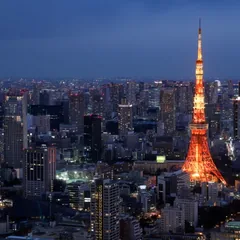
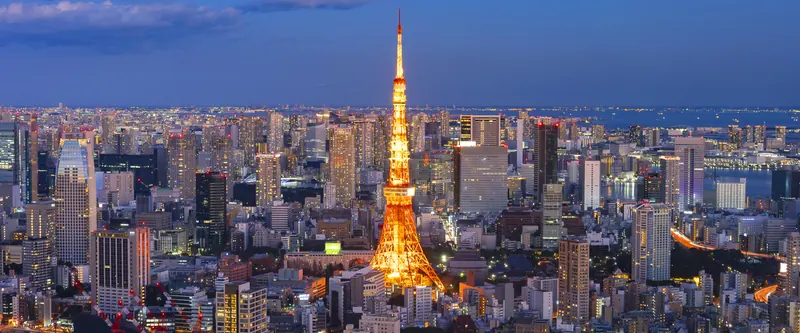
Golden ginkgo avenues into early December. Illuminations in Marunouchi and Omotesando
December in Tokyo brings a run of sunny, dry winter days. Central Tokyo's high is 12.0°C, with mornings around 4°C. The ginkgo avenues and garden foliage of central Tokyo can be enjoyed into early December, and the city sparkles with Christmas illuminations. Note that some facilities close over the year-end holidays. In Kusatsu and Oku-Nikko, snow settles and ski season begins.
Temperature, precipitation, snow and sunshine are climate normals (1991-2020). Sunset is for December 15.
Shinjuku, Shibuya, Asakusa, Ginza
Golden ginkgo avenues into early December. Illuminations in Marunouchi and Omotesando
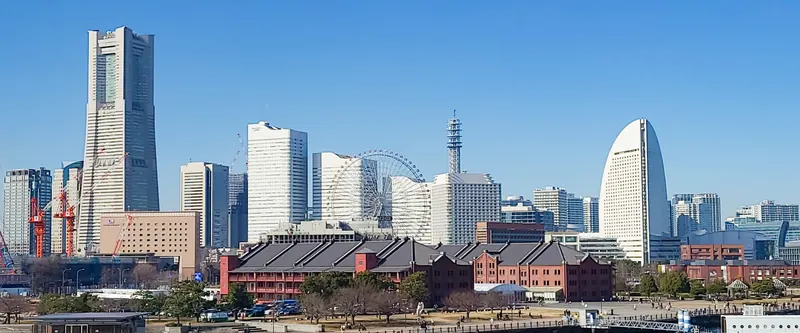
Minato Mirai, Chinatown, Red Brick Warehouse
The Minato Mirai night view and a Christmas market
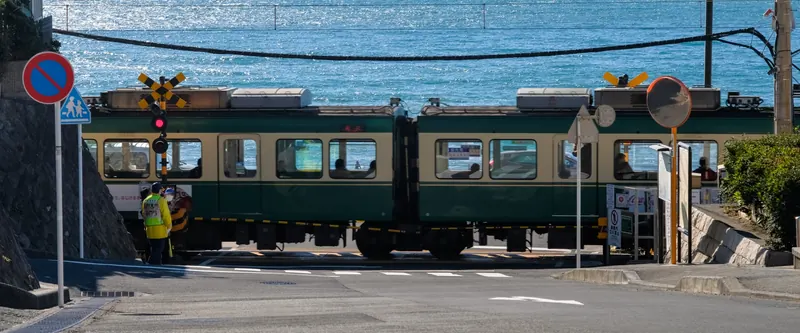
Kamakura, Enoshima, Shonan
Lots of sunny days, plus illuminations on Enoshima
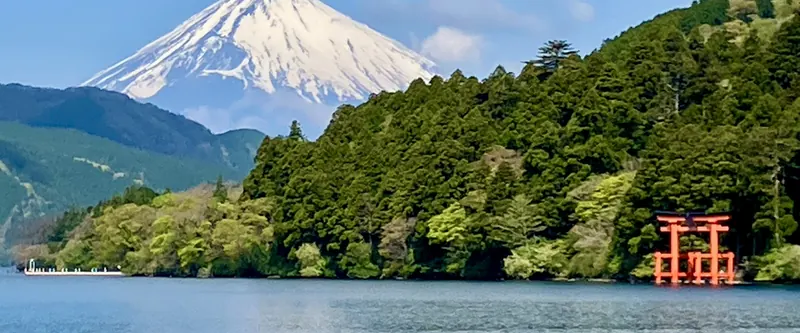
Hakone-Yumoto, Gora, Lake Ashi, Owakudani
Mornings around 0°C. The most rewarding season for hot springs
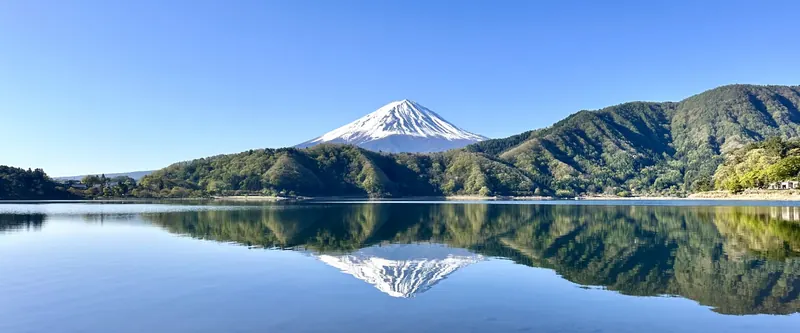
Lake Kawaguchi, Lake Yamanaka, Oshino Hakkai
Mornings around -3°C. Snowcapped Mt. Fuji is clearly visible
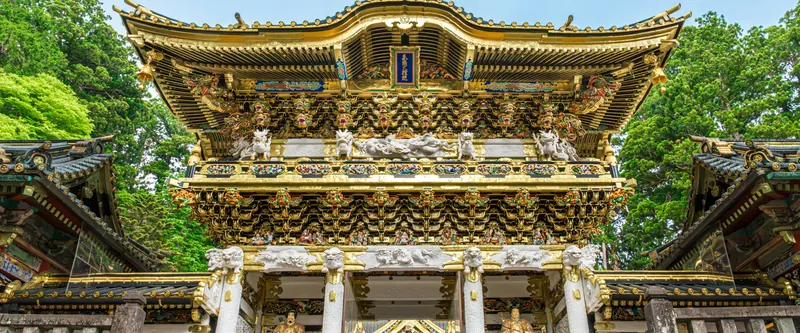
Nikko, Lake Chuzenji, Kegon Falls, Kinugawa Onsen
Oku-Nikko's high is around 3°C, and it's snow season. Watch out for icy roads
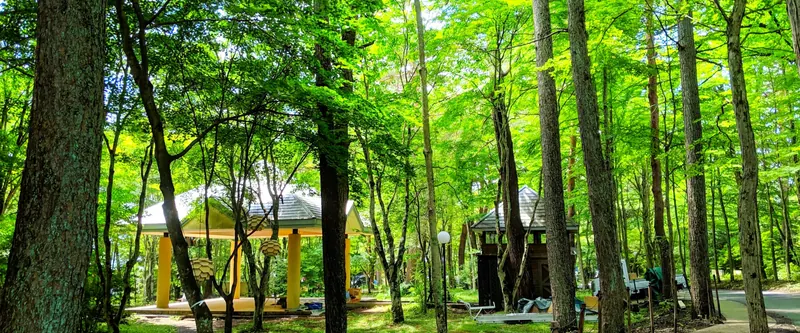
Karuizawa, Kyu-Karuizawa, Shiraito Falls
Mornings around -5°C. The Christmas decorations are beautiful
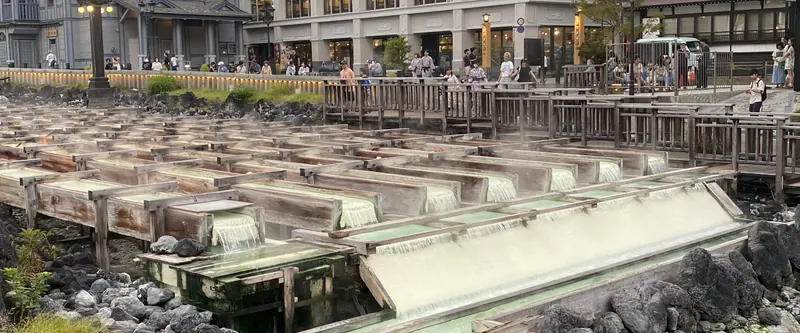
Kusatsu, Yubatake, Sainokawara
About 40 cm of snow on the ground. Ski season starts late in the month
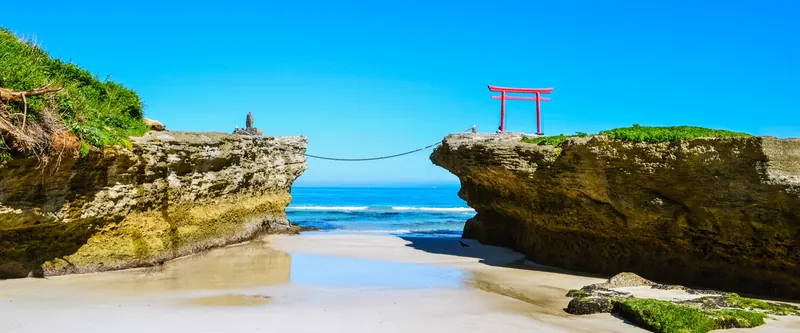
Atami, Ito, Jogasaki Coast
Highs around 13°C, relatively warm. Atami's winter fireworks too
Seeing the illuminations at night gets cold, so gloves and a scarf are a good idea. For Nikko, Kusatsu and Karuizawa, pack midwinter gear.
From around December 29 to around January 3, museums, government offices and some shops and restaurants are closed. Check the opening days of places you want to visit.
Illumination spots and popular restaurants get crowded during the Christmas season. We recommend booking restaurants early.
Winter in Tokyo has low humidity, so your throat and skin dry out easily. Moisturizer and a face mask help you stay comfortable.
Nikko, Kusatsu and Karuizawa have snow and icy roads. If you're driving a rental car, you'll need winter tires.
The trees along Marunouchi Naka-dori are wrapped in champagne-gold lights. Combine it with a stroll around Tokyo Station.
Read the guide:Marunouchi Illumination →A year-end tradition, with stalls selling ornate hagoita (decorative battledores with raised-cloth designs) lining the temple grounds.
Read the guide:Hagoita-ichi (Battledore Market) →PRKlookKimono & Yukata Rental (Tokyo, Kimono Miyabi)Rent a kimono at a shop near Asakusa Station. Shawls and other warm accessories are also available to borrowView on KlookPRKlookAsakusa Kimono Rental "Yae"A kimono rental in Asakusa with plans including hair styling and English- and Chinese-speaking staffView on KlookOn New Year's Eve, temple bells are rung 108 times to welcome the new year. Many people go straight on to their first shrine visit of the year, so temples and shrines stay crowded late into the night.
A fireworks show over the sea that began in 1952 and is held more than ten times a year in Atami Bay. Surrounded by mountains on three sides, the bowl-shaped bay makes the sound echo, giving it the impact of a stadium. Shows are held in spring, summer, autumn, and winter, with about 5,000 shells launched in summer and about 3,000 in other seasons.
Read the guide:Atami Fireworks Festival →PRKlookHakone & Atami Fireworks Day Tour from Tokyo: Mt. Fuji, Hakone Shrine & Lakeside Torii, Lake Ashi Stroll, Atami Sun Beach & Atami Fireworks FestivalA bus tour from Tokyo covering Hakone sightseeing and the Atami fireworks in one day (view from the beach or a sightseeing boat)View on KlookPRKlookFireworks Days Only | Atami & Kamakura Fireworks Day Tour from TokyoA day tour from Tokyo combining sightseeing in Kamakura and Enoshima with the Atami fireworksView on KlookDates change every year. Please check the official websites before you go.
On average, the high is 12.0°C and the low is 3.8°C. You'll need a winter coat.
The ginkgo avenue at Jingu Gaien and gardens around Tokyo usually have autumn leaves until early December.
From around December 29 to around January 3, some facilities and shops are closed. Check opening days in advance.
Source: Japan Meteorological Agency (climate normals 1991-2020). Compiled by tripuuu.log. Temperatures are from a representative station in each area; actual weather varies from year to year.