
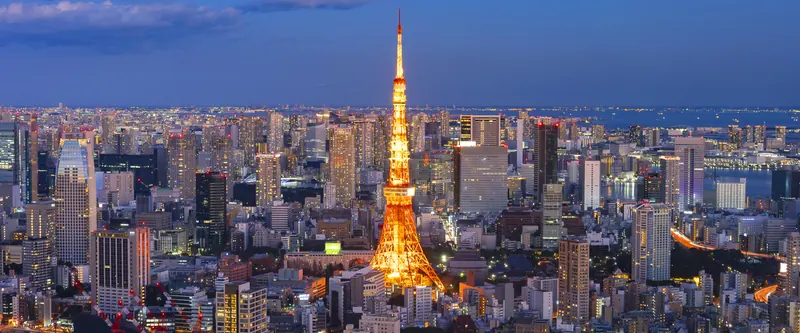
Central Tokyo→
Station: TokyoShinjuku, Shibuya, Asakusa, Ginza
High
9.8℃
Low
1.2℃
- Precip.
- 59.7mm
- Sunshine
- 193h
- Sunset
- 16:49
A run of sunny, dry days. Shrines and temples are packed for New Year visits on the 1st–3rd
January is the coldest month of the year in Tokyo. Central Tokyo's high is 9.8°C and mornings drop to around 1°C, but there's little rain or snow and sunny days follow one after another. The clear air also makes this the season when Mt. Fuji is sharply visible from observation decks in central Tokyo and from Lake Kawaguchi. Nikko, Kusatsu and Karuizawa, meanwhile, are in the depths of winter, with snow on the ground.
Temperature, precipitation, snow and sunshine are climate normals (1991-2020). Sunset is for January 15.
Shinjuku, Shibuya, Asakusa, Ginza
A run of sunny, dry days. Shrines and temples are packed for New Year visits on the 1st–3rd
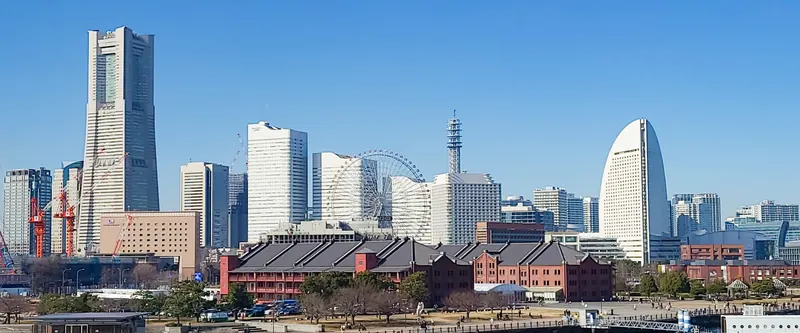
Minato Mirai, Chinatown, Red Brick Warehouse
About the same temperature as central Tokyo. The wind is cold along the waterfront
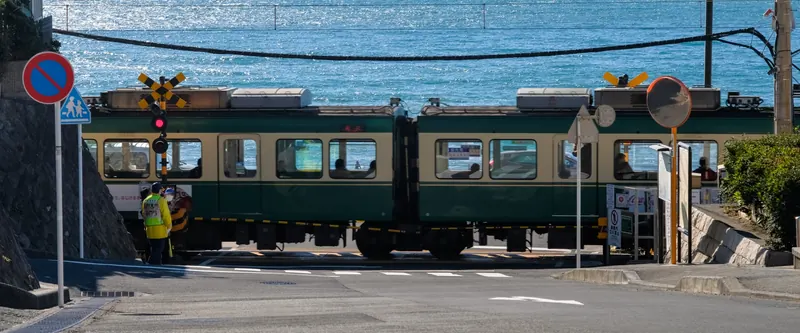
Kamakura, Enoshima, Shonan
Lots of sunny days; you may see Mt. Fuji from Enoshima
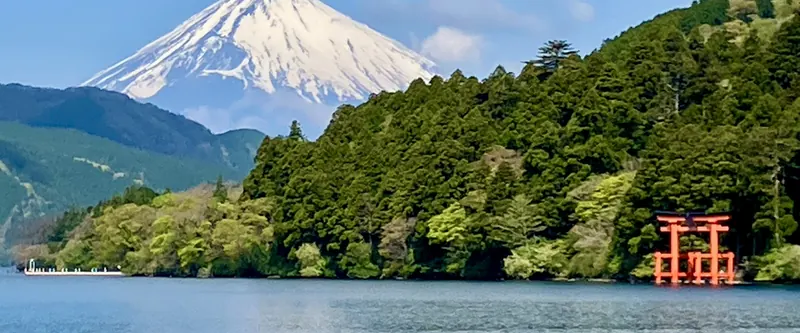
Hakone-Yumoto, Gora, Lake Ashi, Owakudani
Mornings below freezing. It's even colder around Lake Ashi, and snow is possible
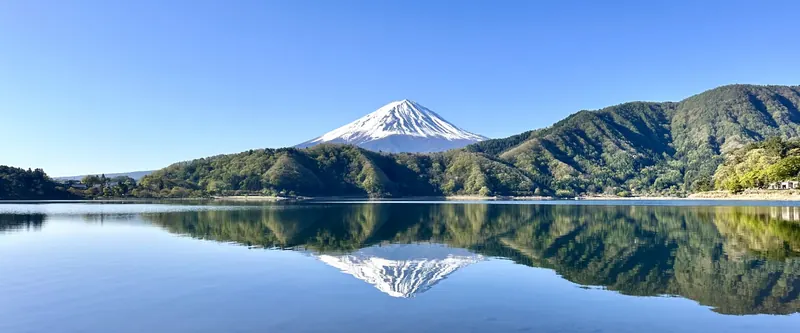
Lake Kawaguchi, Lake Yamanaka, Oshino Hakkai
Highs around 5°C. Snowcapped Mt. Fuji and the lakes make a beautiful scene
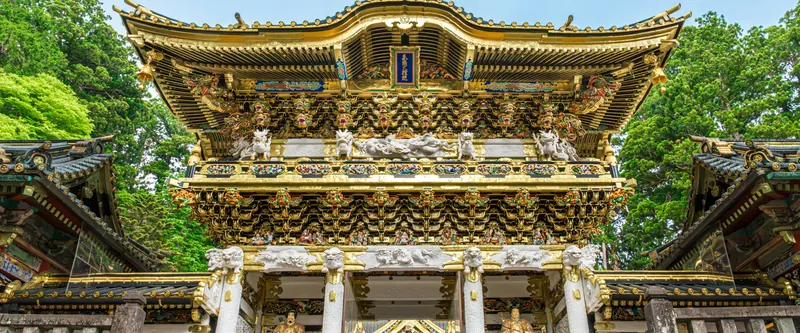
Nikko, Lake Chuzenji, Kegon Falls, Kinugawa Onsen
Oku-Nikko is in the depths of winter, with about 30 cm of snow on the ground. Watch out for icy roads
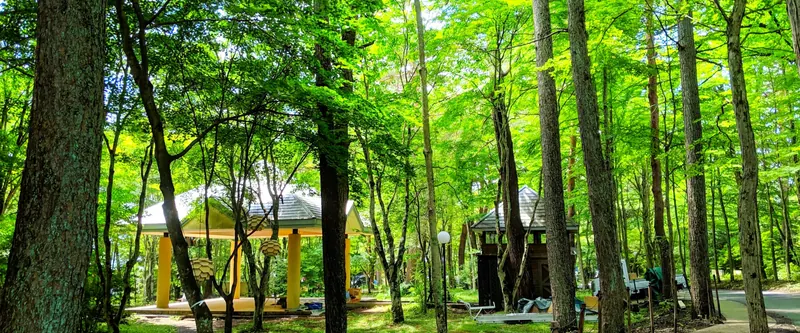
Karuizawa, Kyu-Karuizawa, Shiraito Falls
Mornings around -8°C. The air is dry, with lots of sunny days
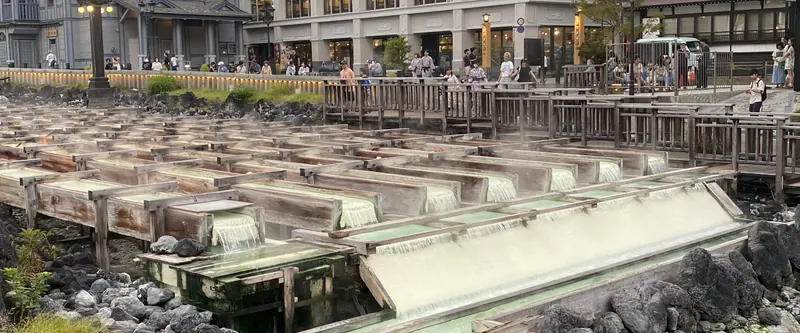
Kusatsu, Yubatake, Sainokawara
Snow country, with over 70 cm on the ground. Enjoy hot springs in the snow and skiing
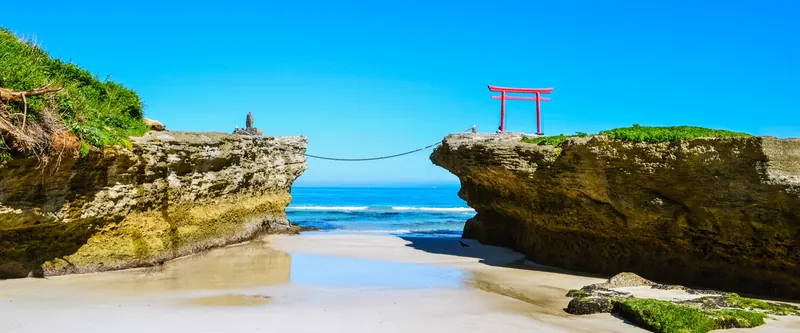
Atami, Ito, Jogasaki Coast
A little warmer than Tokyo. Plum blossoms start to bloom in Atami
If you're heading to Nikko, Kusatsu or Karuizawa, bring a midwinter down jacket and shoes you can walk on snow in.
Winter in Tokyo means sunny day after sunny day and low humidity. Your throat and skin dry out easily, so moisturizer and a face mask help you stay comfortable.
From about January 1 to 3, museums and some shops and restaurants are closed. Check the opening days of places you want to visit.
Central Tokyo only sees snow a few times a year, but even a little can delay trains or make roads icy. Allow extra time on days when snow is forecast.
Nikko, Kusatsu and Karuizawa get snow-country cold. If you're driving a rental car, you'll need winter tires.
The Japanese custom of visiting a shrine or temple at the start of the new year. Popular shrines and temples are extremely crowded during the first three days of January.
A New Year's tradition: a relay race in which university runners go from Otemachi in Tokyo to Lake Ashi in Hakone and back. You can cheer them on from the roadside.
Read the guide:Hakone Ekiden (Tokyo-Hakone Round-Trip College Ekiden Race) →A ski resort right next to the hot spring town. After skiing, relax at the public bathhouses around the Yubatake or at a day-use hot spring.
An annual winter illumination that lights up the street trees along about 1.2 km of Marunouchi Naka-dori in front of Tokyo Station in its signature "champagne gold." 2026 marks its 25th year, and during the concurrent "MARUNOUCHI BRIGHT HOLIDAY," a Harry Potter-themed symbol tree appears at the Marunouchi Building.
Read the guide:Marunouchi Illumination →Dates change every year. Please check the official websites before you go.
On average, the high is 9.8°C and the low is 1.2°C. It's the coldest month of the year, with mornings and evenings dropping close to 0°C.
It can, but not much: average total snowfall for the month is about 4 cm. Most days are sunny and dry.
Winter, with its clear air, is a great season for seeing Mt. Fuji. On clear mornings it's easy to spot even from observation decks in central Tokyo.
Source: Japan Meteorological Agency (climate normals 1991-2020). Compiled by tripuuu.log. Temperatures are from a representative station in each area; actual weather varies from year to year.