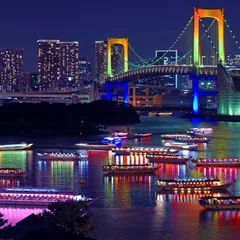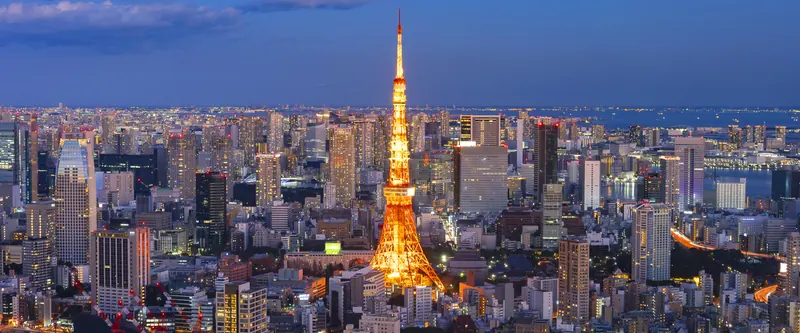
Central Tokyo→
Station: TokyoShinjuku, Shibuya, Asakusa, Ginza
High
29.9℃
Low
22.4℃
- Precip.
- 156.2mm
- Sunshine
- 151h
- Sunset
- 18:58
Intense heat after the rainy season. Sumida River Fireworks on the last Saturday
July in Tokyo is rainy season in the first half and full-on summer in the second. The rainy season usually ends around July 19. Central Tokyo's high is 29.9°C, but after the rainy season some days top 35°C, and humid nights stay above 25°C. The Sumida River Fireworks Festival is held late in the month. To escape the heat, we recommend Karuizawa, with highs around 25°C, or Oku-Nikko, around 22°C.
Temperature, precipitation, snow and sunshine are climate normals (1991-2020). Sunset is for July 15.
Shinjuku, Shibuya, Asakusa, Ginza
Intense heat after the rainy season. Sumida River Fireworks on the last Saturday
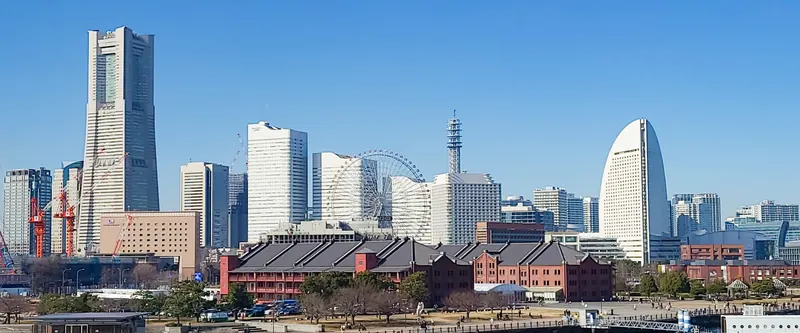
Minato Mirai, Chinatown, Red Brick Warehouse
Highs around 29°C. The sea breeze makes night-view cruises pleasant
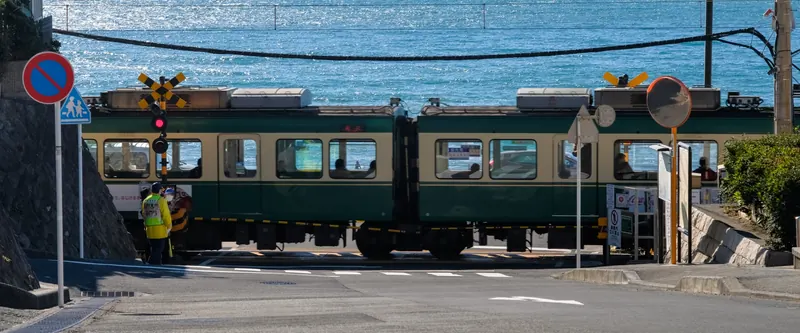
Kamakura, Enoshima, Shonan
Beach season begins. Roads and trains get crowded on weekends
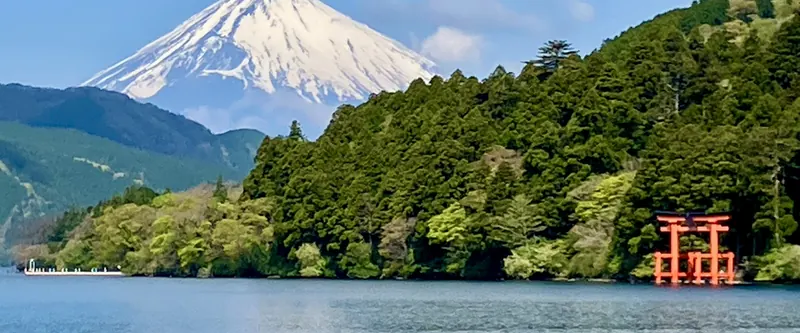
Hakone-Yumoto, Gora, Lake Ashi, Owakudani
Highs around 27°C, a little cooler than central Tokyo. Hydrangeas until early July
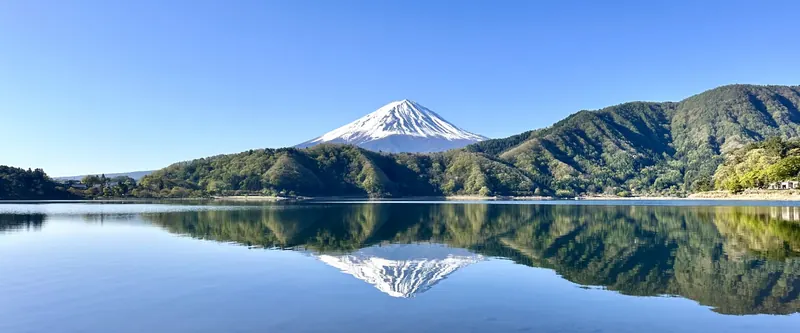
Lake Kawaguchi, Lake Yamanaka, Oshino Hakkai
Mt. Fuji's climbing season begins. Cool mornings and evenings by the lakes
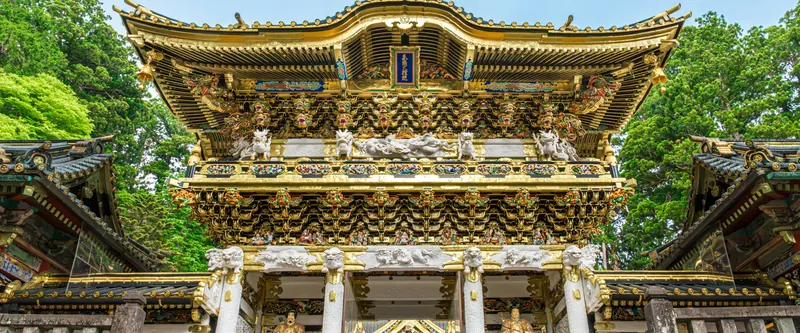
Nikko, Lake Chuzenji, Kegon Falls, Kinugawa Onsen
Oku-Nikko's high is around 22°C — cool even in summer
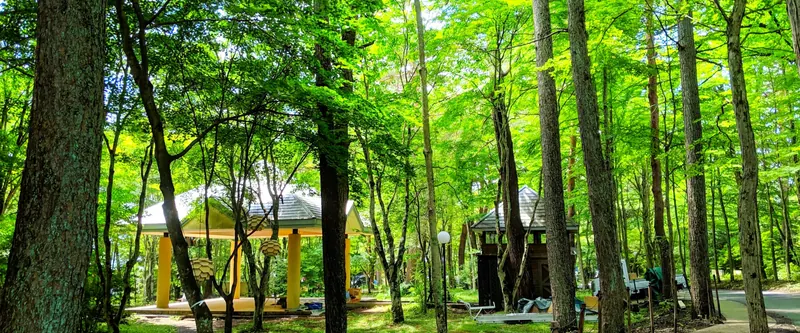
Karuizawa, Kyu-Karuizawa, Shiraito Falls
Highs around 25°C. A summer retreat about 5°C cooler than central Tokyo
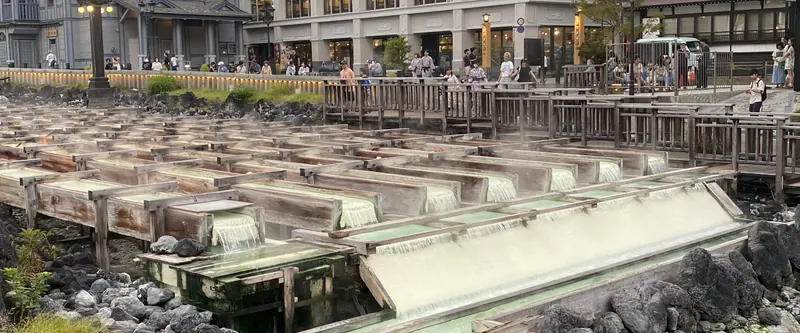
Kusatsu, Yubatake, Sainokawara
Highs around 23°C. Relatively low humidity makes it comfortable
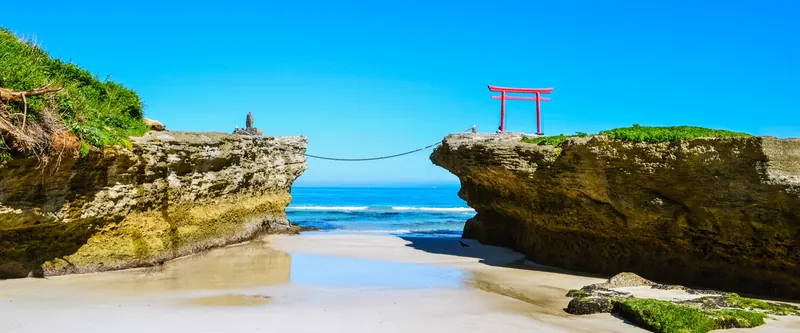
Atami, Ito, Jogasaki Coast
Beach season. Atami holds its Marine Fireworks Festival
When visiting temples and shrines, it's best to avoid very revealing clothing. Oku-Nikko and Karuizawa drop to around 15°C in the morning and evening, so bring a long-sleeved layer.
After the rainy season, both temperature and humidity are high, and heatstroke cases rise. Drink water and replace salt often, and take breaks during the day. On days when the Ministry of the Environment issues a heatstroke alert, limit long outdoor activities.
Stick to indoor sightseeing (museums, aquariums, shopping) during the day and save outdoor spots for mornings and evenings.
Summer afternoons can bring sudden downpours and thunder. Keep checking the rain radar in weather apps.
Mt. Fuji's trails open on July 1 on the Yamanashi side and July 10 on the Shizuoka side. Even in summer, the summit can drop below 10°C, so proper gear is essential.
Tokyo's most famous fireworks show, with about 20,000 fireworks lighting up the night sky. Nearly 1 million people attend, so stake out your spot early and expect crowds on the way home.
Read the guide:Sumida River Fireworks Festival →A classic sign of summer, with stalls selling potted hozuki (Chinese lantern plants) lining the temple grounds. It's said that praying on these days brings the blessings of 46,000 days.
Read the guide:Shiman-rokusen-nichi / Hoozuki Market →PRKlookTokyo Kimono Rental Experience with Photo Shoot & Makeup (Ai Wafuku Asakusa Main Store)Rent a yukata or kimono at a shop near Senso-jiView on KlookPRKlookAsakusa Kimono Rental & Photo Shoot (by Kimonoya Mizuki)Yukata plans available. Dressing near Asakusa Station, with a photo shoot optionView on KlookTrails such as the Yoshida Trail open, starting the climbing season that runs until early September.
A fireworks show over the sea that began in 1952 and is held more than ten times a year in Atami Bay. Surrounded by mountains on three sides, the bowl-shaped bay makes the sound echo, giving it the impact of a stadium. Shows are held in spring, summer, autumn, and winter, with about 5,000 shells launched in summer and about 3,000 in other seasons.
Read the guide:Atami Fireworks Festival →PRKlookHakone & Atami Fireworks Day Tour from Tokyo: Mt. Fuji, Hakone Shrine & Lakeside Torii, Lake Ashi Stroll, Atami Sun Beach & Atami Fireworks FestivalA bus tour from Tokyo covering Hakone sightseeing and the Atami fireworks in one day (view from the beach or a sightseeing boat)View on KlookPRKlookFireworks Days Only | Atami & Kamakura Fireworks Day Tour from TokyoA day tour from Tokyo combining sightseeing in Kamakura and Enoshima with the Atami fireworksView on KlookDates change every year. Please check the official websites before you go.
On average, the high is 29.9°C and the low is 22.4°C. After the rainy season, some days top 35°C.
In the Kanto-Koshin region, the rainy season usually ends around July 19. The date varies a lot from year to year.
Higher-elevation areas like Karuizawa (highs around 25°C), Oku-Nikko (around 22°C) and Kusatsu (around 23°C) are 5–8°C cooler than central Tokyo.
Source: Japan Meteorological Agency (climate normals 1991-2020). Compiled by tripuuu.log. Temperatures are from a representative station in each area; actual weather varies from year to year.