
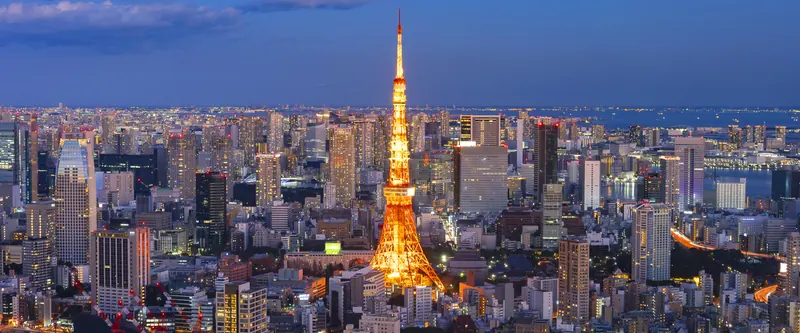
Central Tokyo→
Station: TokyoShinjuku, Shibuya, Asakusa, Ginza
High
10.9℃
Low
2.1℃
- Precip.
- 56.5mm
- Sunshine
- 170h
- Sunset
- 17:21
Lots of sunny days. Plum blossoms peak at places like Yushima Tenjin
February in Tokyo is still bitterly cold, just like January. Central Tokyo's high is 10.9°C, with mornings around 2°C. Even so, plum blossoms begin to open and Izu's early-blooming Kawazu cherry blossoms turn pink, bringing the first hints of spring. In Kusatsu and Oku-Nikko, the snow is at its deepest of the year.
Temperature, precipitation, snow and sunshine are climate normals (1991-2020). Sunset is for February 15.
Shinjuku, Shibuya, Asakusa, Ginza
Lots of sunny days. Plum blossoms peak at places like Yushima Tenjin
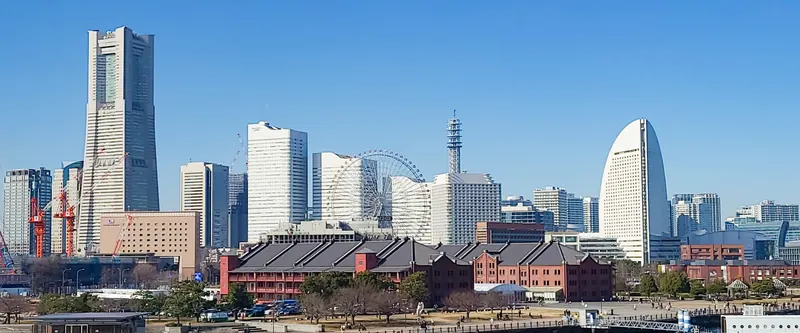
Minato Mirai, Chinatown, Red Brick Warehouse
Highs around 11°C. Harbor walks are pleasant on sunny days
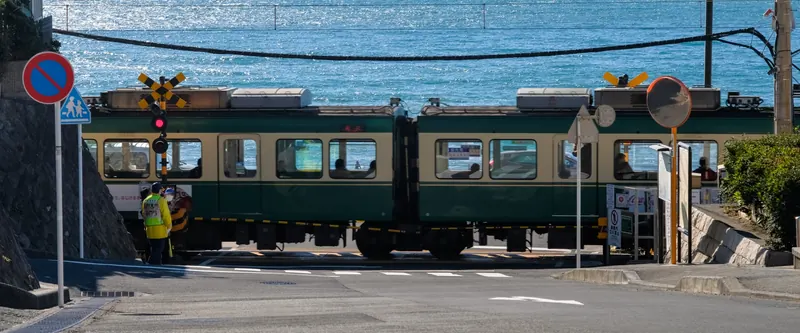
Kamakura, Enoshima, Shonan
Plum blossoms start to open at the temples. The sea breeze is cold
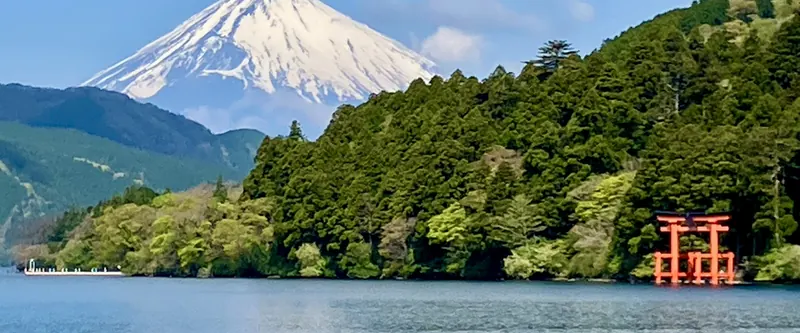
Hakone-Yumoto, Gora, Lake Ashi, Owakudani
Mornings below freezing. Snow can close Hakone's mountain roads
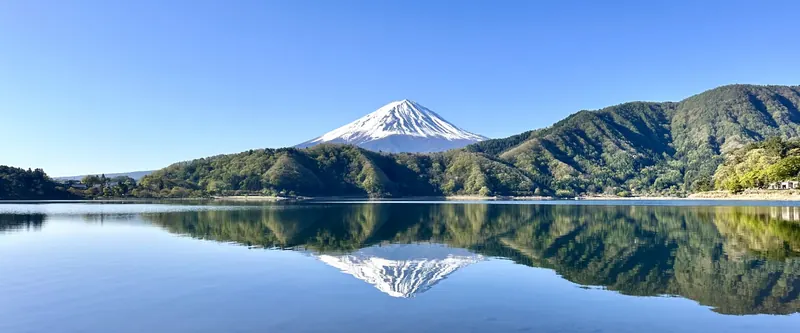
Lake Kawaguchi, Lake Yamanaka, Oshino Hakkai
Mornings around -5°C. Snow-dusted Mt. Fuji is clearly visible
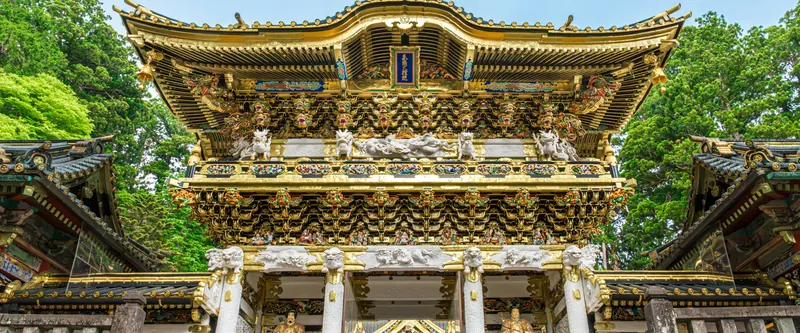
Nikko, Lake Chuzenji, Kegon Falls, Kinugawa Onsen
Oku-Nikko's high is around 0°C. See frozen waterfalls and snowy scenery
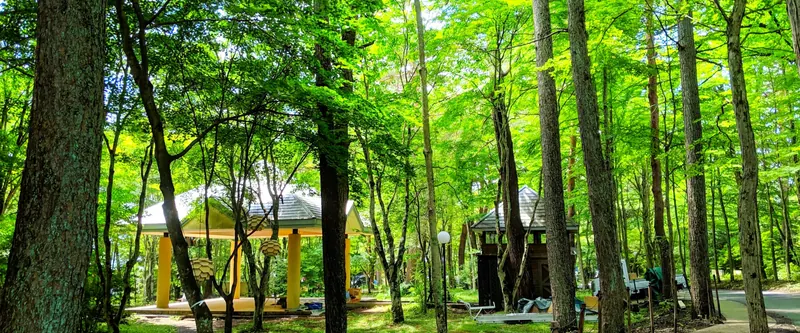
Karuizawa, Kyu-Karuizawa, Shiraito Falls
Mornings around -8°C. Sunny, with dry air
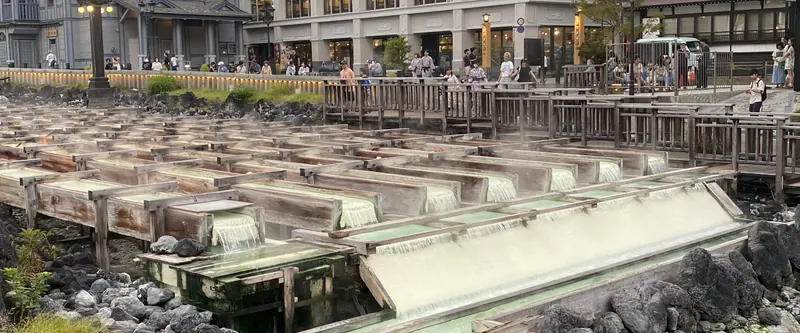
Kusatsu, Yubatake, Sainokawara
Snow tops 90 cm, the deepest of the year. The best season for skiing
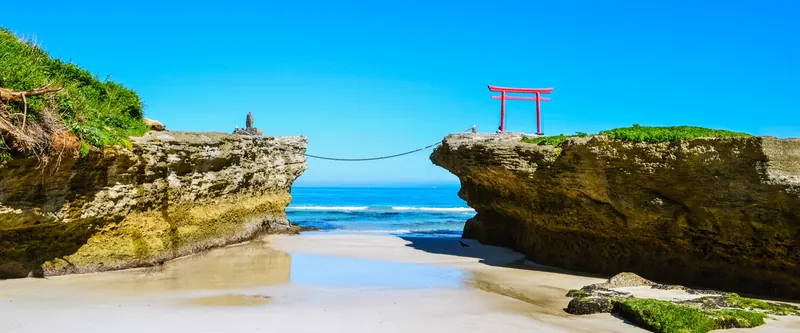
Atami, Ito, Jogasaki Coast
Kawazu cherry blossoms are at their best, and you can enjoy Atami's plum garden too
Kusatsu, Nikko and Karuizawa are in the depths of winter. Bring boots you can walk on snow in.
Japanese cedar pollen starts flying around mid-February and peaks in March. If you have hay fever, bring masks and medication.
Snow in Tokyo falls mainly in January and February. Even a few centimeters can delay trains, so allow extra time on days when snow is forecast.
The Kawazu cherry blossoms in Kawazu town, Izu, are usually at their best from early to late February. It's about 2.5 hours from Tokyo by train.
Cold February is the most rewarding time for the hot springs of Hakone, Kusatsu and Izu. Weekends get busy, so book your accommodation early.
A ritual to drive away bad luck by throwing beans while chanting 'Demons out, luck in!' Famous temples and shrines draw huge crowds for the bean-throwing.
White and red plum blossoms reach their peak at Yushima Tenjin in Tokyo and Atami Baien plum garden — spring flowers that arrive a step ahead of the cherry blossoms.
About 850 Kawazu cherry trees line the river. The deep-pink, early-blooming blossoms paired with yellow rapeseed flowers are a popular sight.
Read the guide:Kawazu Cherry Blossom Festival →A fireworks show over the sea that began in 1952 and is held more than ten times a year in Atami Bay. Surrounded by mountains on three sides, the bowl-shaped bay makes the sound echo, giving it the impact of a stadium. Shows are held in spring, summer, autumn, and winter, with about 5,000 shells launched in summer and about 3,000 in other seasons.
Read the guide:Atami Fireworks Festival →PRKlookHakone & Atami Fireworks Day Tour from Tokyo: Mt. Fuji, Hakone Shrine & Lakeside Torii, Lake Ashi Stroll, Atami Sun Beach & Atami Fireworks FestivalA bus tour from Tokyo covering Hakone sightseeing and the Atami fireworks in one day (view from the beach or a sightseeing boat)View on KlookPRKlookFireworks Days Only | Atami & Kamakura Fireworks Day Tour from TokyoA day tour from Tokyo combining sightseeing in Kamakura and Enoshima with the Atami fireworksView on KlookAn annual winter illumination that lights up the street trees along about 1.2 km of Marunouchi Naka-dori in front of Tokyo Station in its signature "champagne gold." 2026 marks its 25th year, and during the concurrent "MARUNOUCHI BRIGHT HOLIDAY," a Harry Potter-themed symbol tree appears at the Marunouchi Building.
Read the guide:Marunouchi Illumination →Dates change every year. Please check the official websites before you go.
On average, the high is 10.9°C and the low is 2.1°C. It's almost as cold as January, and you'll need a winter coat.
Tokyo's Somei-yoshino cherry blossoms haven't opened yet, but Izu's Kawazu cherry blossoms are at their best from early to late February.
Japanese cedar pollen usually starts flying around mid-February and increases into March.
Source: Japan Meteorological Agency (climate normals 1991-2020). Compiled by tripuuu.log. Temperatures are from a representative station in each area; actual weather varies from year to year.